Related Blogs


A PAN (Permanent Account Number) refers to a 10-character alphanumeric identifier used by the Income Tax Department to identify all taxpayers in India. The PAN system of India identifies all the tax-paying entities, including companies and individuals.
A PAN card is essential for most of the monetary transactions above a certain limit. A PAN card is also compulsory for filing taxes, receiving tax refunds, and registering businesses. Hence, both individuals and businesses need to apply for a PAN card.
If you are wondering how many types of PAN cards there are, we have answered this in this blog. We have mentioned the types of PAN cards depending on the entity. We have also mentioned the types of documents required to apply for a PAN card.
PAN cards can be issued to any individual or entity liable to pay taxes, such as individuals, NRIs, HUFs, Companies, and Institutions. The 4th digit represents the type of PAN holder on the PAN, which is different for each type of PAN card.
Here are the different types of PAN cards and their represented letters:
Here is an example of a PAN: BHPCA5845D, and understand what type of PAN it is:
The first three characters are in the sequence from AAA to ZZZ, the fourth character, C, represents that the given PAN is for the company. Then, the fifth character represents the first letter of the surname for individuals, and for companies, the initial letter of the company's name. The next four numbers after that are the numbers in a series from 0001 to 9999. And, the last letter in an alphabetic digit check.
 Also Want to Know About HUF PAN Card Check Now!
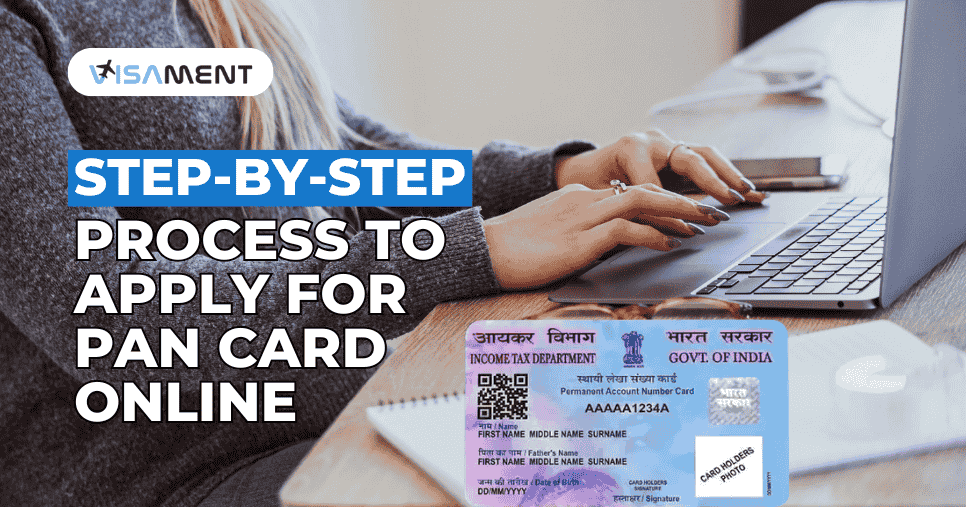
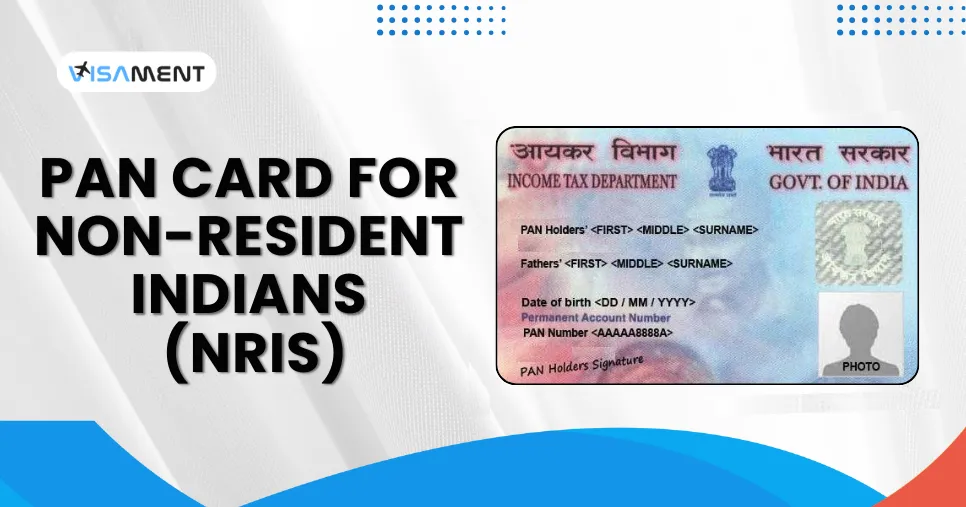
All the applicants who are residents of India, NRIs, or foreigners can apply for this type of PAN card. The name of the person, photograph, father/mother name, signature, QR code, date of birth, date of issue, and PAN are present on this type of PAN card.
Any resident Indian, including minors and students, can apply for a PAN card by submitting Form 49A. The Non-Resident Indians (NRIs) and Overseas Citizens of India (OCI) can apply for their PAN card by filling out Form 95 & 96 (formerly Form 49AA).
To obtain a PAN card for individuals, you need to have a valid proof of identity, date of birth, and address. Minors and Students are also eligible to apply for a PAN card, especially if they are nominated for a property/investment.
All entities, like firms, companies, and LLPs, cannot register their business in India without a PAN card. Additionally, the companies that are registered outside the country will require a PAN card if they need to pay taxes here.
PAN cards for businesses do not have any person's name, photographs, date of birth, signature, or the name of father/mother. They have the name of the organisation in place of the cardholder's name and the incorporation date of the entity instead of the date of Birth.
Indian Companies, NGOs, local bodies, partnership firms, trusts, etc., need to file the Form 49A, and the foreign entities need to file the Form 49AA.
Have questions? Our experts guide you through every step for PAN Card Service– no confusion, no delays.
Consult an Expert TodayHere is the list of various entities that should have a PAN card under Section 139A of the Income Tax Act:
Also Want to Know About PAN Card for Foreign Business in India Check Now!The documents required to apply for a PAN card depend on the type of applicant. Here is the list:
Proof of Identity (Aadhaar card, voter ID) and Proof of Address (voter ID, utility bills, bank account statement, etc.)
An affidavit issued by the Karta of the HUF stating the name, address, and father's name of the coparcener. Valid proofs of age, address, and identity for the individual PAN.
Indian Passport, copy of OCI, PIO issued by the Government of India, NRE bank statement, bank statement from the resident country, and a copy of the visa issued by an Indian company (address proof).
Registration Certificate issued by the Registrar of Companies.
Registration Certificate number issued by the Registrar of Co-operative Societies, and government-issued IDs.
Copy of Registration Certificate and Partnership deed.
Copy of registration certificate issued by the Charity Commissioner.
 Also Want to Know About PAN Card for Property Registration in India? Check Now!
All the tax-paying entities in India, including foreigners, NRIs, companies, trusts, or NGOs, need to obtain a PAN card. It is mainly a financial identity/tax identifier and allows you to perform large transactions. Apart from this, a PAN card also allows you to file taxes and receive tax refunds. The format of the PAN card shows what entity it represents.
You may also seek assistance from the experts of authorised platforms. Visament is one such platform, and our experts are available 24/7 and can help you through the process. The prices are also affordable on our website.
For the PAN card application for your business organisation, you need to submit the following documents: Business registration certificate or certificate of incorporation. Bank account statement bearing the name and full address of the entity.
You can follow the steps below to correct the information in your PAN card: Click on 'Apply Online' on the Protean/UTIITSL website. Select 'Application Type' and click on the 'Changes or Correction in the existing PAN card'. Fill in the correct details, upload the necessary documents, and complete the payment.
Any applicant who has an Aadhaar card and a mobile number that is registered with UIDAI is eligible to apply for an instant PAN using the Aadhaar number. To get a PAN card, visit the Income Tax Department's e-filing portal and then enter your Aadhaar number, OTP, and e-mail address.
Yes, it is mandatory for individuals to link their Aadhaar with a PAN card. If you fail to link both these documents, then you won't be able to file the income tax returns. Also, you will not be able to make a bank transaction worth more than Rs 50,000.
You can apply through UTI Infrastructure Technology and Services Limited (UTIITSL) and Protean eGov Technologies Limited. They have PAN Services Centres in all the major Indian cities. You can also apply for a PAN card online by visiting the websites of UTIITSL or Protean.
You can identify the type of PAN card by identifying the fourth character of the unique 10-character alphanumeric code, as it represents the type of entity. For example, P represents Individuals, C denotes Companies, and F represents Firms.
Vipul Jain is the Co-Founder of Visament, a trusted platform dedicated to simplifying Indian immigration, consular, and NRI services for applicants across the globe. With extensive expertise in OCI cards, Indian passport services, visa assistance, apostille and document legalization,... See Full Bio

Talk to our documentation experts for free guidance on your application.


When you visit a website, it may store data about you using cookies and similar technologies. Cookies can be important for the basic operations of the website and for other purposes. You get the option of deactivating certain types of cookies, even so, doing that may affect your experience on the website.
It is required to permit the basic functionality of the website. You may not disable necessary cookies.
Used to provide advertising that matches you and your interests. May also be used to restrict the number of times you see an advertisement and estimate the effectiveness of an advertising campaign. The advertising networks place them after obtaining the operator's permission.
Permits the website to recognize the choices you make (like your username, language, or the region you are in). Also provides more personalized and enhanced features.
Aid the website operator to determine how the website performs, how visitors interact with the site, and whether there are any technical issues.