Related Blogs

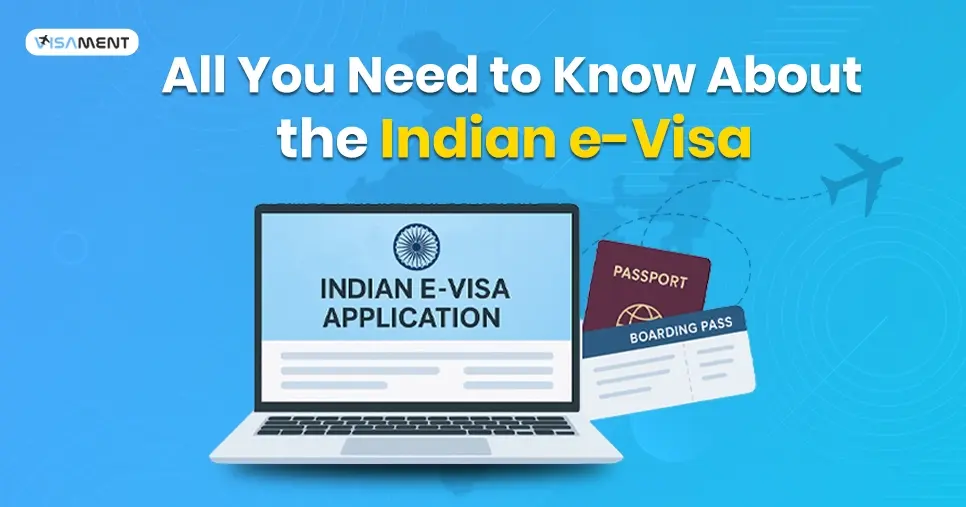
Planning a trip to India but unsure whether you qualify for an Indian e-Visa? The right option depends on your nationality, passport, purpose of travel, and the conditions of the visa category you need. This guide explains how India's electronic visa system works, the main categories available, the documents applicants generally need, and what to check before travelling. You will also learn when a regular visa may be more appropriate and where to verify the latest official requirements.
An Indian e-Visa is an electronic visa facility that enables eligible foreign nationals to apply online for specified purposes of travel to India. The application is submitted through the Government of India's official portal, where applicants provide their details, upload the required documents, and pay the applicable fee.
The electronic visa process includes an Electronic Travel Authorization (ETA), which communicates the application's outcome through the official system. Applicants must check that the authorization has been granted before travelling and follow the instructions associated with their visa category.
An e-Visa is not a universal entry permit for every foreign national or every travel purpose. Eligibility, permitted activities, duration of stay, and entry conditions depend on the relevant category and current government rules.
India's electronic visa system covers several categories for different travel purposes. Choosing the correct category is important because a visa issued for one purpose may not authorize activities associated with another.
|
e-Visa category |
General purpose |
|---|---|
|
e-Tourist Visa |
Tourism, sightseeing, visiting friends or relatives, and other specifically permitted activities |
|
e-Business Visa |
Eligible business-related activities permitted under the category |
|
e-Medical Visa |
Eligible foreign nationals travelling to India for medical treatment |
|
e-Medical Attendant Visa |
Eligible attendants accompanying a person travelling on an e-Medical Visa |
|
e-Conference Visa |
Attendance at eligible conferences and related events, subject to applicable conditions |
|
Other electronic visa categories |
Certain additional categories may be available under the current official system, depending on the purpose and eligibility rules |
Category names, availability, and conditions should be confirmed on the official portal before applying for Indian e-visa. The Government of India may provide additional electronic categories or revise existing provisions.
For tourism: Check whether the e-Tourist Visa matches your plans, such as sightseeing or visiting friends and relatives.
For business: Review the e-Business Visa conditions carefully. Business travel does not automatically authorize employment or every commercial activity in India.
For medical treatment: Applicants should check the e-Medical Visa requirements, including the supporting documentation requested for treatment in India.
For an accompanying attendant: Verify the eligibility and documentation rules for the e-Medical Attendant Visa.
For conferences or other specific activities: Check whether an appropriate electronic category is available and whether the intended activity satisfies its conditions.
If your purpose does not fit an available e-Visa category, investigate the appropriate regular visa route instead.
 Also Want to Know About Indian Visa Service for Sri Lankan Citizens? Check Now!
Eligibility for an Indian e-Visa depends on the applicant's nationality, passport, circumstances, intended activities, and the conditions published for the relevant category.
Before applying, check the following:
Eligibility should never be assumed solely because another person with a different passport has obtained an Indian e-Visa.
Applicants who do not qualify for the electronic route may need to apply through the appropriate Indian embassy, consulate, or regular visa process.
Check the current official e-Visa eligibility information before submitting an application.
Have questions? Our experts guide you through every step of the Indian e-Visa Process– no confusion, no delays.
Consult an Expert TodayThe documents required for an Indian e-Visa vary by category. Applicants should prepare the general documents first and then review the additional requirements for their intended purpose of travel.
Common requirements include:
The official portal specifies the accepted file formats, sizes, and other document requirements. An unclear photograph, incomplete supporting document, or incorrect passport detail can create problems during application review.
Before uploading documents, confirm that names, passport numbers, dates of birth, and passport expiry details match the travel document.
Also Want to Know About Indian Visa for American Citizens Check Now!The general Indian e-visa application process involves checking eligibility, submitting the online application, paying the applicable fee, and verifying the final outcome.
Start by checking the official list of eligible nationalities and reviewing the requirements for your intended travel purpose. Do not select a category simply because it appears to have fewer supporting-document requirements.
Enter the requested personal, passport, and travel information. Upload the photograph, passport scan, and any additional documents required for your category. Review the form carefully before submission.
Complete payment using an accepted method on the official portal. Indian Visa Application Fees can vary according to nationality, visa category, and applicable conditions. Check the amount displayed for your application rather than relying on an old fee table.
Monitor your application through the official system and review any communication requesting further information or a corrected document. Do not treat a submission confirmation or payment receipt as proof that your visa has been granted.
Confirm that the official status shows the required granted outcome. Follow the instructions for carrying your authorization and presenting the necessary travel documents at immigration.
The official Indian e-Visa portal provides the application facility and related instructions. Indian Visa Processing times can vary, so apply within the permitted application window and allow sufficient time before departure.
Also Want to Know About Protect Yourself from e-Visa Scams Check Now!Both routes serve foreign nationals who need permission to travel to India, but the application process and available categories differ.
|
Comparison point |
Indian e-Visa |
Regular visa |
|---|---|---|
|
Application route |
Online application through the official e-Visa portal |
Application through the applicable regular visa process |
|
Availability |
Limited to eligible nationalities and designated categories |
Depends on the applicable visa category and eligibility rules |
|
Documents |
Electronic uploads and category-specific evidence |
Requirements and submission procedures depend on the visa and relevant Indian mission |
|
Suitable purpose |
Only activities permitted under the selected e-Visa category |
Categories may be available for purposes not covered by the e-Visa system |
|
Approval and entry |
Subject to authorization conditions and immigration checks |
Subject to visa conditions and immigration checks |
An e-Visa is not automatically the right choice for every traveller. If your nationality, passport, intended activity, or personal circumstances make you ineligible for the electronic route, review the regular visa options on the official Indian visa website.
Also Want to Know About Indian Visa Service for Sri Lankan Citizens Check Now!Before departure, review your authorization and travel documents rather than relying only on the fact that an application was submitted.
Use this checklist:
An approved e-Visa does not guarantee admission into India. Immigration officials assess travellers at the point of entry, and visitors must comply with the applicable entry requirements.
Also distinguish an e-Visa from an e-Arrival card. The Indian government's e-Arrival card is an arrival-information submission, not a visa. Check the official Indian visa website for current instructions about any separate arrival formalities that apply to your journey and avoid rejection of Indian e-Visa application .
Also Want to Know About Indian Visa Payment Issues? Check Now!An Indian e-Visa can provide an online application route for eligible foreign nationals travelling to India for specified purposes. The most important steps are to confirm your eligibility, choose the correct category, prepare the required documents, and verify that the authorization has been granted before departure.
Because visa categories, fees, eligibility rules, and travel conditions can change, use the official Indian e-Visa portal as your primary source before making travel arrangements.
An Indian e-Visa is applied for online through the Government of India’s electronic visa system. A regular visa follows a separate process that may involve an Indian embassy, consulate, or authorised visa application centre. The appropriate option depends on the traveller’s nationality, purpose of visit, and eligibility.
No. An approved Indian e-Visa does not guarantee admission into India. It authorises the traveller to seek entry under the stated conditions, while the final admission decision rests with immigration authorities at the port of entry. Travellers should carry the required documents and comply with all entry requirements.
An Indian tourist e-Visa is intended for permitted tourism-related activities and should not be used for activities requiring a business visa. Travellers visiting India for eligible business purposes should review the e-Business Visa requirements and select the category that matches their planned activities.
No. You should not travel based only on an Indian e-Visa application submission. Wait until your Electronic Travel Authorisation (ETA) shows the required approved status, then verify its details and validity before departure. Entry into India remains subject to the applicable visa conditions and immigration clearance.
You should apply for an Indian e-Visa within the application window specified for your visa category on the official portal. Apply well before departure to allow time for processing or requests for corrections. Do not travel until your Electronic Travel Authorisation (ETA) has been approved.
If your passport is due to expire, check the passport validity rules and the conditions attached to your approved e-Visa before travelling. Your travel documents must meet India’s current entry requirements. If you obtain a new passport, confirm with the official authorities how your existing authorisation should be handled.
The general requirements for an Indian e-Visa include a valid passport, a recent photograph that meets official specifications, and supporting documents required for the selected visa category. Additional documents may be necessary for business, medical, or other travel purposes. Applicants should review the latest document checklist on the official portal.
Vipul Jain is the Co-Founder of Visament, a trusted platform dedicated to simplifying Indian immigration, consular, and NRI services for applicants across the globe. With extensive expertise in OCI cards, Indian passport services, visa assistance, apostille and document legalization,... See Full Bio

Talk to our documentation experts for free guidance on your application.
How to Get a US Visa Appointment Faster in India: 2026 Guide
How Criminal Records Impact Visa or Immigration Status?
How to Appeal a Visa Denial: Process, Documents & Tips
Visa Free Countries for Indians: Complete Guide for Indian Passport Holders
Gold Limit from Dubai to India: Rules & Allowance 2026
When you visit a website, it may store data about you using cookies and similar technologies. Cookies can be important for the basic operations of the website and for other purposes. You get the option of deactivating certain types of cookies, even so, doing that may affect your experience on the website.
It is required to permit the basic functionality of the website. You may not disable necessary cookies.
Used to provide advertising that matches you and your interests. May also be used to restrict the number of times you see an advertisement and estimate the effectiveness of an advertising campaign. The advertising networks place them after obtaining the operator's permission.
Permits the website to recognize the choices you make (like your username, language, or the region you are in). Also provides more personalized and enhanced features.
Aid the website operator to determine how the website performs, how visitors interact with the site, and whether there are any technical issues.