Related Blogs

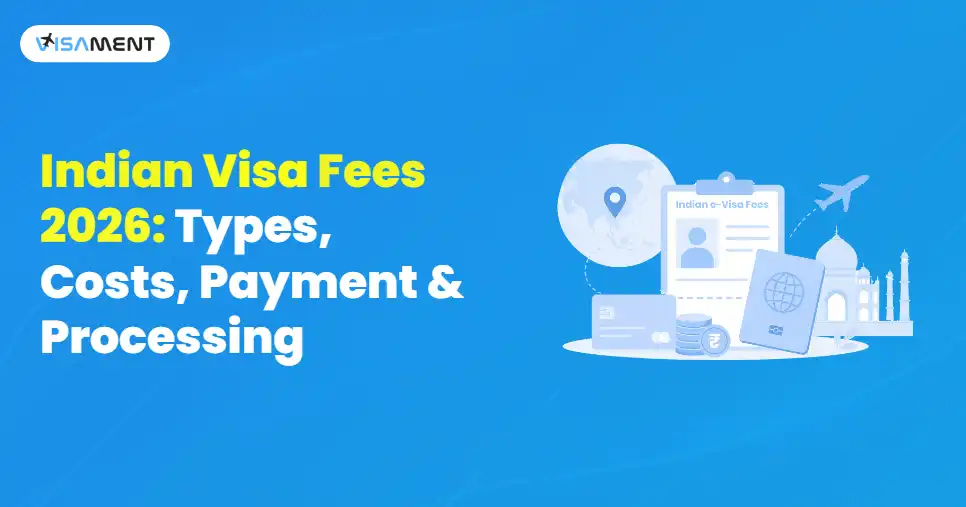
Understanding the Indian visa fees is one of the most important steps before applying for an Indian visa or Indian e-Visa. The total cost depends on the visa type, your nationality, visa validity, and whether you are applying for an e-Visa or a regular paper visa.
The Fees for the e-visa India application depend on the type of visa you are applying for, the country from where you are applying, and the application process, Tatkaal or a normal visa.
In this blog, we will see the Indian visa fees for all visa types and nationalities, and see the difference between the e-visa and regular visa, along with the payment methods.
When applying for Indian e-Visa, the total amount you pay is not always limited to the government application fee. Depending on how you apply, you may also need to pay service charges, payment gateway fees, or additional processing fees. Understanding these fee components helps you estimate the overall cost of your Indian visa application.
The visa cost is the official fee charged by the Government of India for processing your e-Visa application. The amount varies depending on your nationality, visa category, validity, and the type of entry selected.
If you apply through an authorized visa service provider, an additional service fee may apply. This fee covers application review, document verification, error checking, customer support, and assistance throughout the visa application process.
There are different types of Indian visa which foreign nationals can apply for, such as:
| Indian Visa Type | Purpose of Visit | Validity | Entry Type | Approximate Fees (USD) |
|---|---|---|---|---|
| Tourist e-Visa | Tourism, sightseeing, visiting friends and family | 30 Days, 1 Year, 5 Years | Double/Multiple | US$10–US$80 |
| Business e-Visa | Business meetings, trade fairs, conferences, commercial activities | Up to 1 Year | Multiple | Around US$80 |
| Medical e-Visa | Medical treatment in India | 60 Days | Triple | Around US$80 |
| Medical Attendant e-Visa | Accompanying a medical patient | 60 Days | Triple | Around US$80 |
| Conference e-Visa | Government-approved conferences, seminars, workshops | 30 Days | Single | Around US$80 |
| Student Visa | Higher education and academic programs | Course Duration | Multiple | Varies by nationality |
| Employment Visa | Employment with an Indian organization | Up to 5 Years | Multiple | Varies by nationality |
| Entry (X) Visa | OCI-related travel, dependents, special circumstances | Up to 5 Years | Multiple | Varies by nationality |
| Journalist Visa | Journalism, media reporting, documentary filming | As Approved | Single/Multiple | Varies by nationality |
| Research Visa | Academic and research purposes | As Approved | Multiple | Varies by nationality |
| Missionary Visa | Religious and missionary work | As Approved | Multiple | Varies by nationality |
| Intern Visa | Internship with an Indian organization | Internship Duration | Multiple | Varies by nationality |
If your Indian visa is approaching its expiry date and you need to stay longer in India, you may be eligible to apply for a visa extension through the online e-FRRO portal. In most cases, applicants are not required to visit the FRRO or FRO office in person.
The cost of extending an Indian visa depends on several factors, including:
Every extension application is reviewed on a case-by-case basis, and approval is entirely at the discretion of the Indian immigration authorities.
The cost of an Indian visa depends on the visa category, validity, nationality of the applicant, and whether you are applying for an e-Visa or a regular paper visa.
Below are some of the commonly applicable visa fees:
These fees are indicative and may change according to government policies and country-specific reciprocity agreements.
Have questions? Our experts guide you through every step of the Indian e-visa Application– no confusion, no delays.
Consult an Expert TodayYes. The Indian visa fee may vary depending on the applicant's nationality. India follows reciprocal visa agreements with several countries, which means applicants from different nations may pay different visa fees for the same visa category.
For example, the fee payable by a US citizen may differ from the fee charged to applicants from the UK, Canada, Australia, or other countries. Before submitting your application, always check the applicable fee for your passport nationality.
Apart from nationality, visa validity, number of entries, and visa category also influence the total application cost.
If we compare the regular visa or e-visa, then the e-visa is a more efficient and faster method to apply for a visa.
Here is the quick comparison between a regular visa and an e-visa for India.
The payment methods for the Indian visa fees vary on the visa type and the method you have applied for
You can pay the fees for the Indian e-visa through:
For the normal Indian visa, you can opt for:
 Also Want to Know About Indian Visa Payment Issues? Check Now!
After successfully paying the required Indian visa fees and submitting your application, the processing time depends on your visa category and application type.
Generally:
Processing times may also vary depending on your nationality, travel season, document verification, and government processing requirements.
Indian visa application fees are generally non-refundable, regardless of whether your application is approved, rejected, or withdrawn after submission.
Keep the following points in mind:
Understanding the Indian visa fees before starting your application can help you plan your travel budget and avoid unexpected expenses. Since the visa cost varies depending on your nationality, visa type, validity, and application method, checking the applicable fee beforehand makes the application process much smoother.
If you need professional assistance with your Indian visa application, Visament can help simplify the entire process. Our team assists with document verification, application review, and end-to-end guidance to reduce errors and improve the chances of a successful application.
If you have any questions regarding Indian visa fees, eligibility, documentation, or the application process, you can contact the Visament support team for expert assistance.
Yes, an individual can get a 5-year Indian visa. On the basis of the eligibility criteria, a foreign national can apply for a 5-year tourist visa.
The tourist e-visa is considered one of the cheapest visas for India. You can apply for it from the official Indian visa online website, and if you apply through a visa service provider, then you need to pay a service fee along with the visa fees.
The Indian visa price for a 10-year visa is about US $160.
You can stay in India on a visa for about 1 year on any business visa or any tourist e-visa. However, if your visa has expired, then you can apply for the visa extension through the FRRO or FRO office in India or online from the e-FRRO portal.
The processing time for the Indian regular visa is generally between 2 and 3 weeks from the date of application submission.
The Regular visa is a physical visa that you get by submitting an application and scheduling an appointment in person at the Indian visa application center. On the other hand, an e-visa is a fully online process and does not include any paperwork, and it also has a faster processing time as compared to the regular visa application.
Vipul Jain is the Co-Founder of Visament, a trusted platform dedicated to simplifying Indian immigration, consular, and NRI services for applicants across the globe. With extensive expertise in OCI cards, Indian passport services, visa assistance, apostille and document legalization,... See Full Bio

Talk to our documentation experts for free guidance on your application.


When you visit a website, it may store data about you using cookies and similar technologies. Cookies can be important for the basic operations of the website and for other purposes. You get the option of deactivating certain types of cookies, even so, doing that may affect your experience on the website.
It is required to permit the basic functionality of the website. You may not disable necessary cookies.
Used to provide advertising that matches you and your interests. May also be used to restrict the number of times you see an advertisement and estimate the effectiveness of an advertising campaign. The advertising networks place them after obtaining the operator's permission.
Permits the website to recognize the choices you make (like your username, language, or the region you are in). Also provides more personalized and enhanced features.
Aid the website operator to determine how the website performs, how visitors interact with the site, and whether there are any technical issues.