Related Blogs

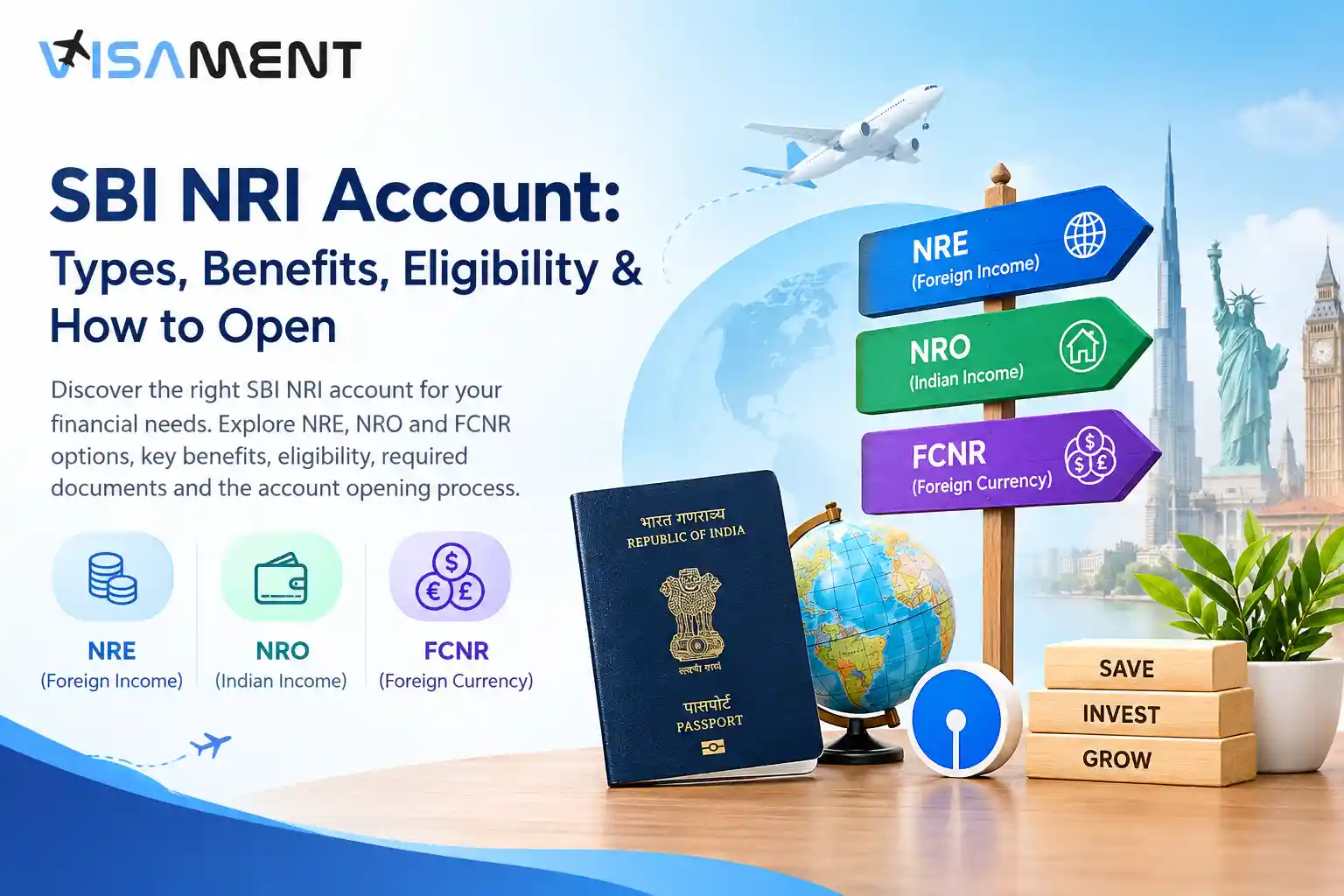
If you're living abroad or planning to move overseas, managing your finances in India can become challenging. Choosing the right SBI NRI account helps you securely handle your income, savings, and investments while complying with Indian banking regulations.
This guide explains the different types of SBI NRI accounts, who can open them, their benefits, eligibility requirements, and the documents you'll generally need. By the end, you'll understand which account best suits your financial needs.
An SBI NRI Account is a specialized banking account offered by the State Bank of India (SBI) for Non-Resident Indians (NRIs). Eligible Overseas Citizens of India (OCIs) can also access many NRI banking services, subject to SBI's prevailing policies.
Unlike a regular resident savings account, an SBI NRI account is designed to help overseas Indians:
SBI currently offers three primary NRI banking options:
Understanding the purpose of each account makes it easier to select the right option.
|
Account Type |
Best For |
Currency |
Repatriation |
|---|---|---|---|
|
NRE Account |
Foreign income |
INR |
Freely repatriable |
|
NRO Account |
Income earned in India |
INR |
Subject to applicable regulations |
|
FCNR Deposit |
Foreign currency fixed deposits |
Foreign Currency |
Generally repatriable |
An SBI NRE Account allows NRIs to deposit income earned outside India. Although deposits are maintained in Indian Rupees, the funds remain freely repatriable under applicable regulations.
It is suitable if you:
Key Benefits
An SBI NRO Account is intended for managing income earned within India.
Typical sources include:
An NRO account enables NRIs to receive Indian income while making local payments conveniently.
Key Benefits
Unlike an NRE account, repatriation from an NRO account is subject to RBI and FEMA regulations.
An SBI FCNR Deposit allows eligible NRIs to hold fixed deposits in designated foreign currencies.
This option is suitable if you:
Because eligible currencies, tenure, and deposit terms may change, applicants should verify the latest details with SBI before investing.
 Also Want to Know About NRI Buying Property in India Check Now!
SBI NRI accounts offer several features that simplify cross-border banking.
Transfer funds between India and overseas accounts through authorized banking channels while accessing services through internet and mobile banking.
SBI offers different account types for foreign income, Indian income, and foreign currency deposits, allowing customers to choose according to their financial requirements.
Most routine banking services—including fund transfers, account statements, cheque book requests, and beneficiary management—can be completed online.
Eligible customers may use NRI accounts to invest in India as permitted under RBI regulations.
Most SBI NRI accounts allow nomination, making future account settlement easier.
Depending on the account type and prevailing guidelines, SBI allows certain joint account arrangements.
You may be eligible to open an SBI NRI account if you are:
Eligibility depends on your residential status, not solely your citizenship.
If you move abroad and become an NRI, you should inform SBI so that your resident savings account can be redesignated according to RBI regulations.
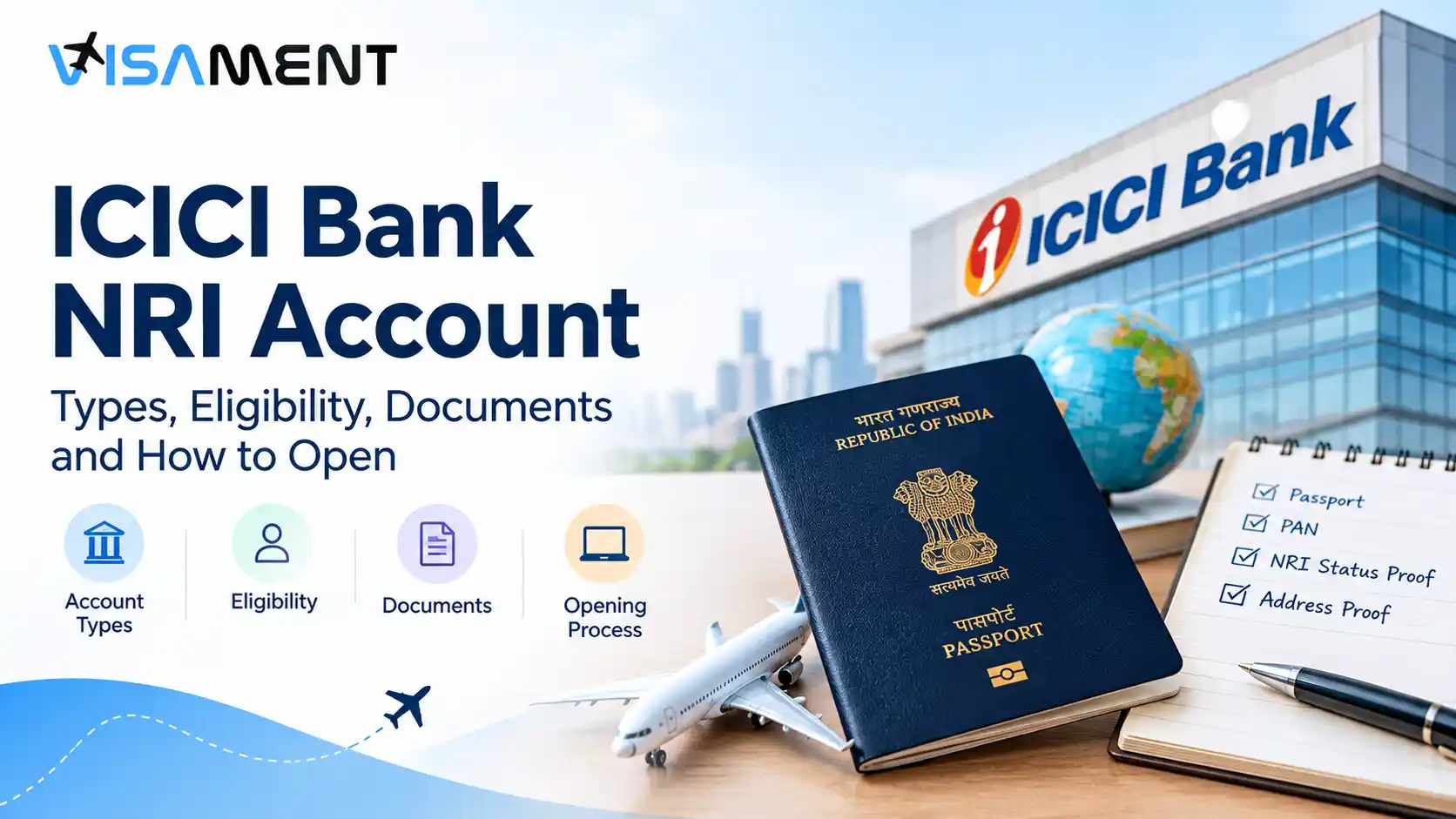
Also Want to Know About Canara Bank NRI Account Check Now!The exact documentation may vary depending on your country of residence and the account type. Generally, applicants should be prepared to submit:
Some countries may require documents to be notarized or attested before submission.
Also Want to Know About SWIFT Code of SBI Check Now!Opening an SBI NRI account is straightforward if you meet the eligibility criteria and have the required documents.
The general process is:
Note: The application process and documentation requirements may differ depending on your country of residence. Always verify the latest guidance on SBI's official website.
Also Want to Know About ICICI Bank NRI Account Check Now!Choosing the right account depends on where your income is generated.
|
Your Requirement |
Recommended Account |
|---|---|
|
Receive salary from abroad |
NRE Account |
|
Manage rental income or pension from India |
NRO Account |
|
Hold foreign currency fixed deposits |
FCNR Deposit |
Eligible NRIs may maintain both NRE and NRO accounts if required for different financial purposes.
Also Want to Know About Bank of Baroda NRI Account Check Now!Avoid these common issues when opening an SBI NRI account:
If you're unsure whether an NRE, NRO, or FCNR account is right for your situation, consider seeking guidance from an NRI banking specialist or financial advisor before applying. Professional advice can help ensure your account aligns with your income sources, financial goals, and current regulatory requirements.
Stop worrying about delays. Apply now and get Indian Counsellor Services.
Chat NowAn SBI NRI account helps NRIs and eligible OCI cardholders manage their finances in India efficiently while living abroad. Whether you choose an NRE, NRO, or FCNR account depends on your income source, currency preference, and repatriation needs.
Before opening an account, review the latest eligibility criteria, documentation requirements, and banking guidelines published by SBI and the Reserve Bank of India. Choosing the appropriate account from the outset can simplify banking, ensure regulatory compliance, and support your long-term financial goals.
Yes. Eligible NRIs can maintain both an NRE and an NRO account simultaneously if they need to manage both foreign earnings and income earned in India.
Yes. If your residential status changes from resident to NRI, you should inform SBI so your resident savings account can be redesignated as an appropriate NRI account under FEMA regulations.
Individuals who qualify as Non-Resident Indians (NRIs) under FEMA can open an SBI NRI account. Eligible Overseas Citizens of India (OCIs) may also be able to open certain NRI accounts, subject to SBI's policies.
Yes. Eligible OCI cardholders can access many SBI NRI banking services, provided they satisfy the bank's eligibility criteria and documentation requirements.
Yes. If your residential status changes to NRI, you should inform SBI so your resident savings account can be redesignated into the appropriate NRI account as required under FEMA regulations.
The tax treatment depends on the type of NRI account and the applicable provisions of Indian tax laws. Since tax regulations may change, applicants should verify the latest rules with the Income Tax Department or consult a qualified tax advisor.
Vipul Jain is the Co-Founder of Visament, a trusted platform dedicated to simplifying Indian immigration, consular, and NRI services for applicants across the globe. With extensive expertise in OCI cards, Indian passport services, visa assistance, apostille and document legalization,... See Full Bio

Talk to our documentation experts for free guidance on your application.

When you visit a website, it may store data about you using cookies and similar technologies. Cookies can be important for the basic operations of the website and for other purposes. You get the option of deactivating certain types of cookies, even so, doing that may affect your experience on the website.
It is required to permit the basic functionality of the website. You may not disable necessary cookies.
Used to provide advertising that matches you and your interests. May also be used to restrict the number of times you see an advertisement and estimate the effectiveness of an advertising campaign. The advertising networks place them after obtaining the operator's permission.
Permits the website to recognize the choices you make (like your username, language, or the region you are in). Also provides more personalized and enhanced features.
Aid the website operator to determine how the website performs, how visitors interact with the site, and whether there are any technical issues.