Related Blogs

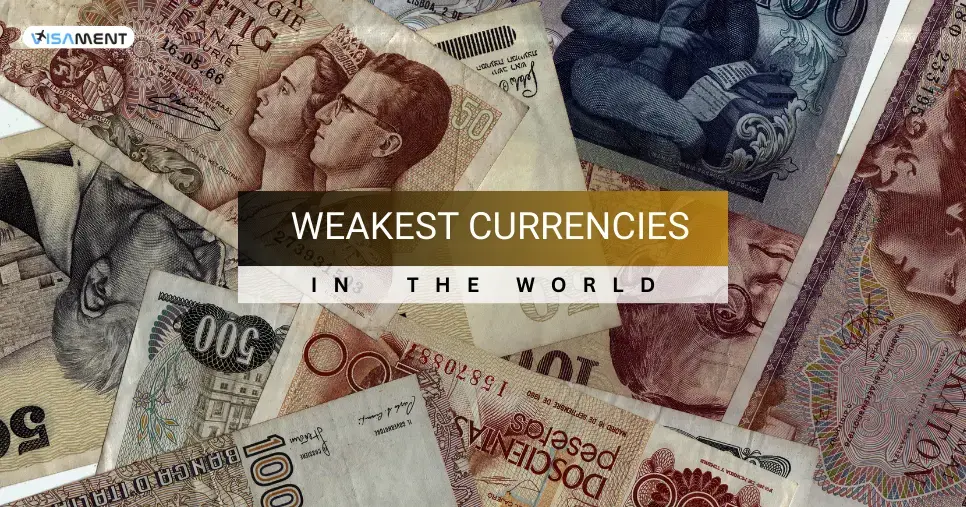
Have you ever wondered which is the weakest currency in the world?
A weak currency has a very low value compared to other global currencies like the US Dollar (USD), Euro (EUR), or British Pound (GBP). Currency values usually decline due to factors such as high inflation, political instability, economic crises, rising debt, low foreign investment, sanctions, and reduced exports.
In 2026, several countries will continue to face economic challenges that have significantly weakened their currencies. In this guide, we will explore the top 20 weakest currencies in the world, their exchange rates, and the key reasons behind their low value.
Here is the list of the top 20 lowest currencies in the world in 2026 with USD exchange rates:
| Rank | Currency | Country | Approx. Value in 1 USD | Key Reasons Behind Weakness |
|---|---|---|---|---|
| 1 | Lebanese Pound (LBP) | Lebanon | 89,000+ LBP | Economic crisis, inflation |
| 2 | Iranian Rial (IRR) | Iran | 42,000+ IRR | Sanctions, inflation |
| 3 | Vietnamese Dong (VND) | Vietnam | 25,000+ VND | Managed exchange rate |
| 4 | Laotian Kip (LAK) | Laos | 21,000+ LAK | Debt burden, inflation |
| 5 | Indonesian Rupiah (IDR) | Indonesia | 16,000+ IDR | Trade and market pressures |
| 6 | Uzbekistani Som (UZS) | Uzbekistan | 12,000+ UZS | Inflation, economic reforms |
| 7 | Guinean Franc (GNF) | Guinea | 8,000+ GNF | Political and economic challenges |
| 8 | Sierra Leonean Leone (SLL) | Sierra Leone | 20,000+ SLL | Inflation, weak economy |
| 9 | Paraguayan Guarani (PYG) | Paraguay | 7,000+ PYG | Agricultural dependence |
| 10 | Malagasy Ariary (MGA) | Madagascar | 4,500+ MGA | Inflation, political instability |
| 11 | Burundian Franc (BIF) | Burundi | 2,900+ BIF |
Inflation, political instability, low economic growth
|
| 12 | Congolese Franc (CDF) | Democratic Republic of Congo | 2,850+ CDF |
Inflation, political uncertainty, weak infrastructure
|
| 13 | Tanzanian Shilling (TZS) | Tanzania | 2,700+ TZS |
Trade imbalances, inflation, foreign exchange controls
|
| 14 | Myanmar Kyat (MMK) | Myanmar | 2,100+ MMK |
Political unrest, sanctions, reduced investment
|
| 15 | Nigerian Naira (NGN) | Nigeria | 1,550+ NGN | Inflation, forex shortages, oil dependence |
| 16 | Iraqi Dinar (IQD) | Iraq | 1,310+ IQD |
Conflict, political instability, managed exchange rate
|
| 17 | Argentine Peso (ARS) | Argentina | 1,200+ ARS |
Chronic inflation, public debt, currency controls
|
| 18 | Sudanese Pound (SDG) | Sudan | 600+ SDG | Hyperinflation, conflict, political instability |
| 19 | Kazakhstani Tenge (KZT) | Kazakhstan | 510+ KZT |
Oil price dependence, inflation, external shocks
|
| 20 | Sri Lankan Rupee (LKR) | Sri Lanka | 300+ LKR |
Debt crisis, inflation, foreign reserve shortages
|
Note: Exchange rates are approximate and may fluctuate regularly based on global market conditions.
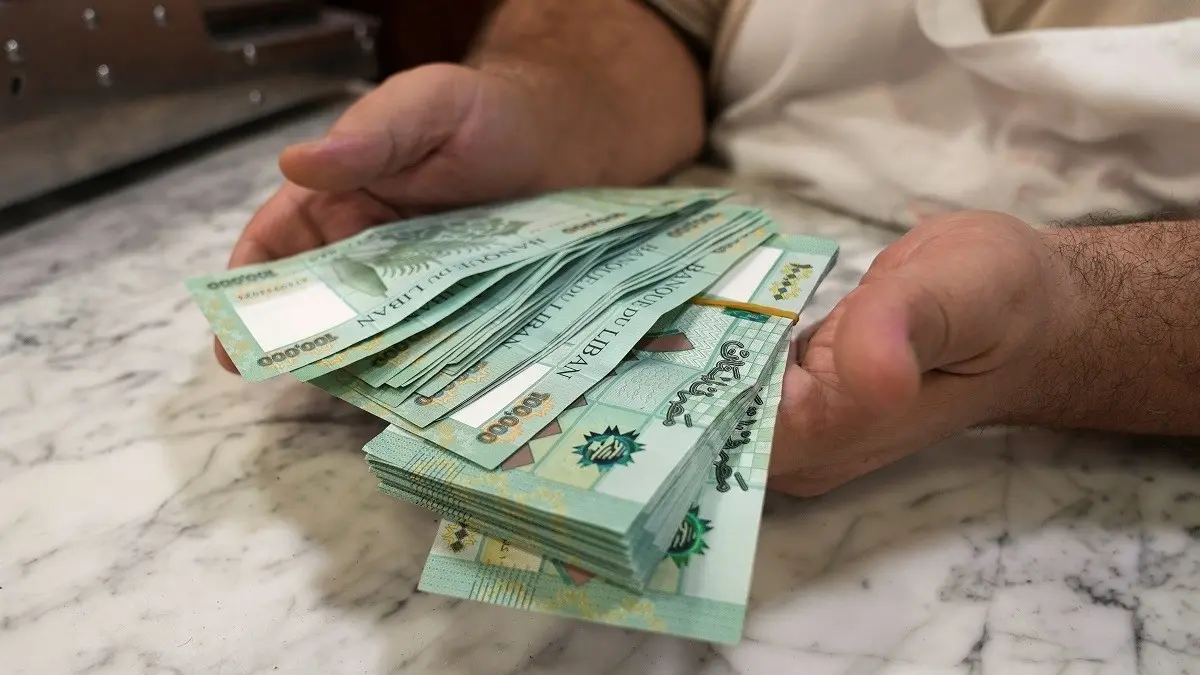
Image Source: English.alarabiya
The Lebanese Pound (LBP) is currently considered the weakest currency in the world. Since 2019, Lebanon has experienced a severe banking and financial crisis that caused the value of its currency to collapse dramatically.
Several factors contributed to the decline of the Lebanese currency:
1 USD≈89,000 LBP
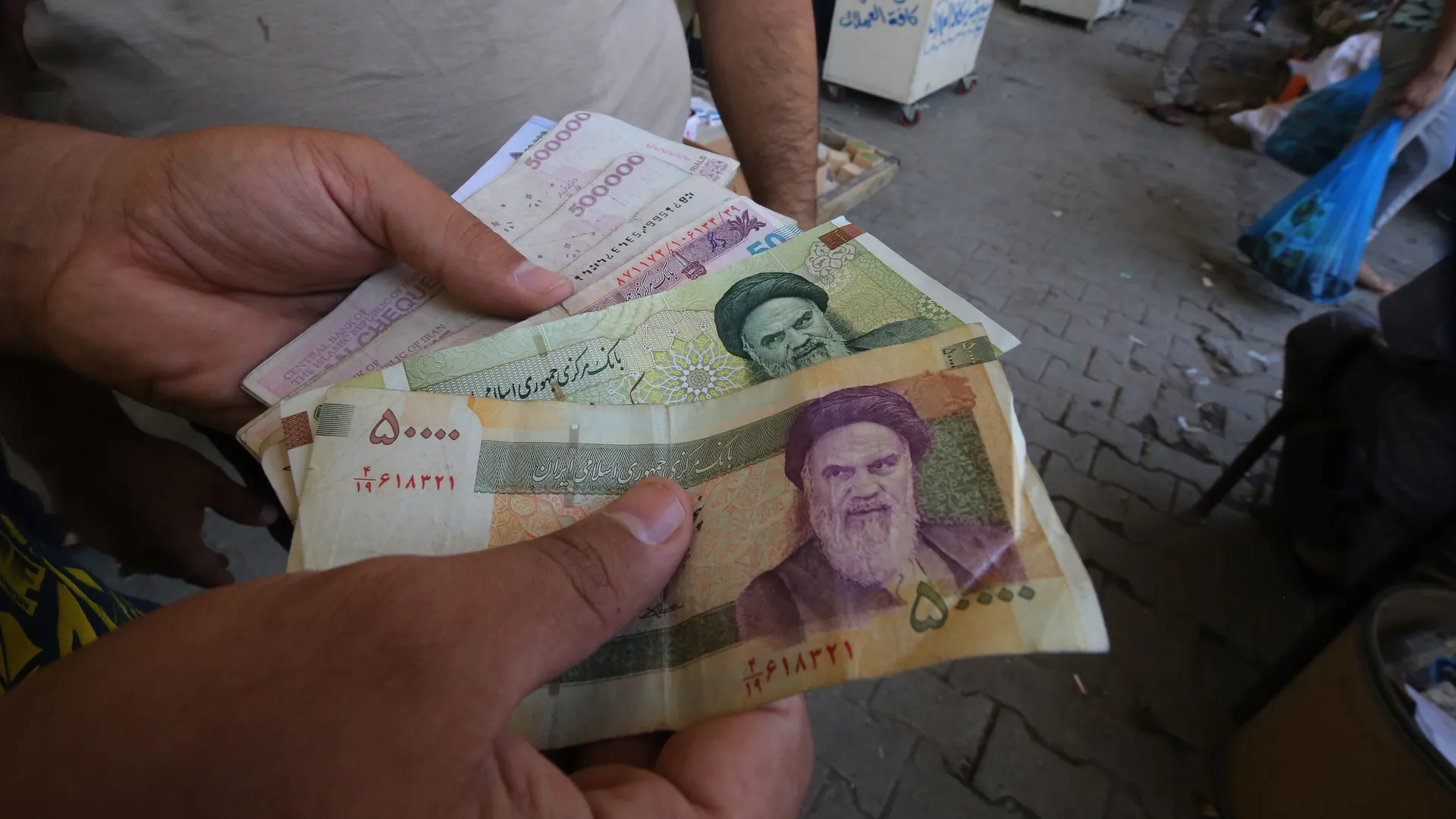
Image Source: axios.com
The Iranian Rial (IRR) is one of the least valuable currencies in the world. International sanctions and economic restrictions have heavily impacted Iran’s economy and weakened its currency over the years.
Key reasons include:
1 USD≈42,000 IRR

Image Source: swedishnomad.com
The Vietnamese Dong (VND) is another currency with a very low value against the US dollar. Despite Vietnam’s rapidly growing economy, the currency remains weak due to historical monetary policies and export-focused economic strategies.
Main reasons include:
1 USD≈25,000 VND
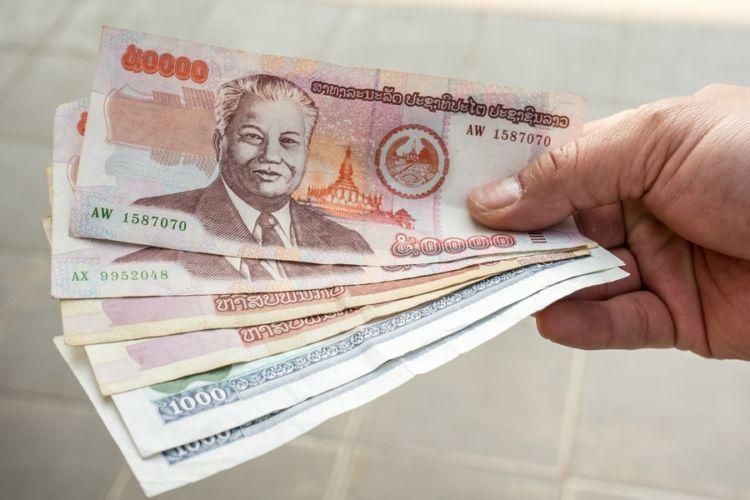
Image Source: govntravel
The Laotian Kip (LAK) is among the weakest currencies globally due to inflation, slow economic growth, and rising external debt.
Important factors include:
1 USD≈21,000 LAK
 Also Want to Know About Strongest Currencies in the World Check Now!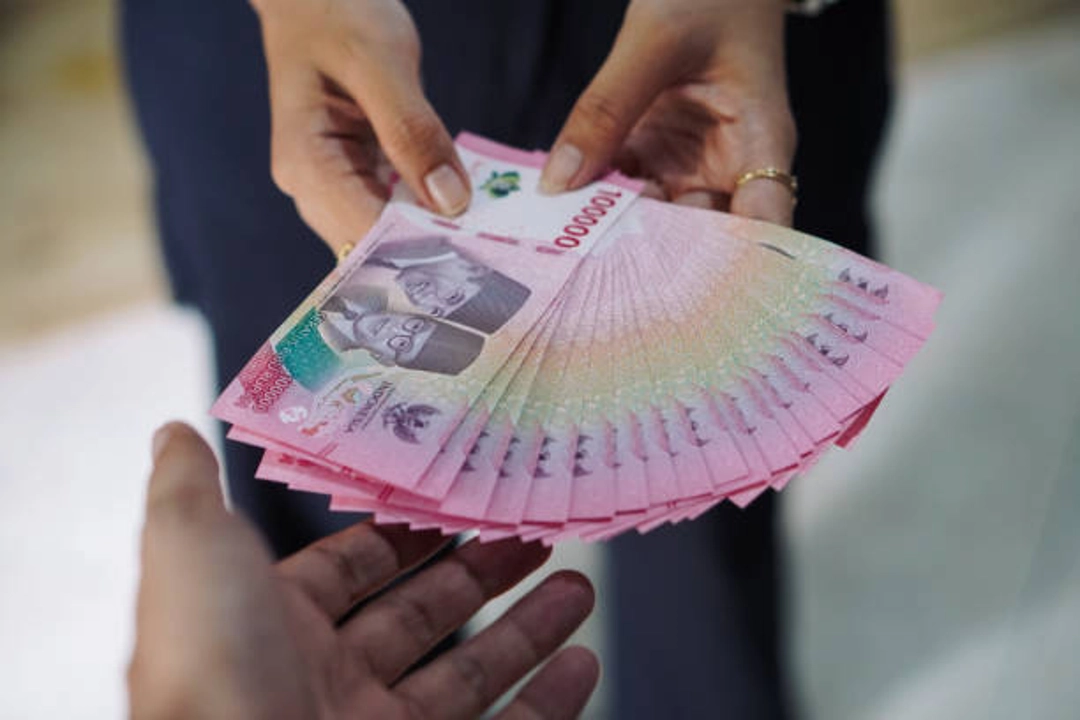
Image Source:iroamly.com
The Indonesian Rupiah (IDR) has historically maintained a low value against the US dollar despite Indonesia being one of Southeast Asia’s largest economies.
Key reasons include:
1 USD≈16,000 IDR
Also, Want to Know About the Cheapest Cities to Visit in Europe? Check Now!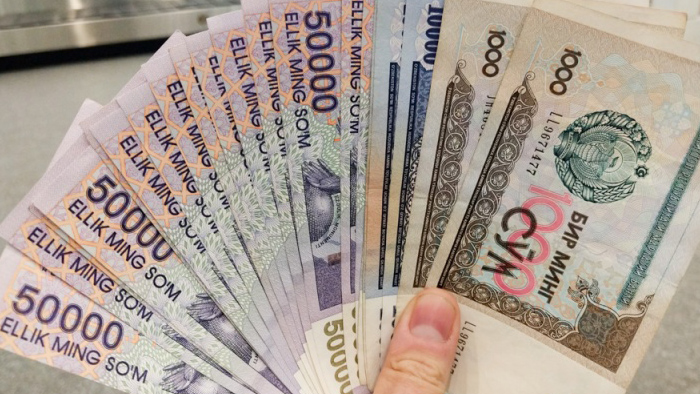
Image Source:marakandatravel.asia
The Uzbekistan Som (UZS) is among the weakest currencies in the world despite the country possessing strong natural resources such as oil and natural gas. Economic challenges and inflationary pressures have contributed to the low value of the currency over the years.
Several factors have affected the value of the Uzbekistan Som:
1 USD≈12,500 UZS
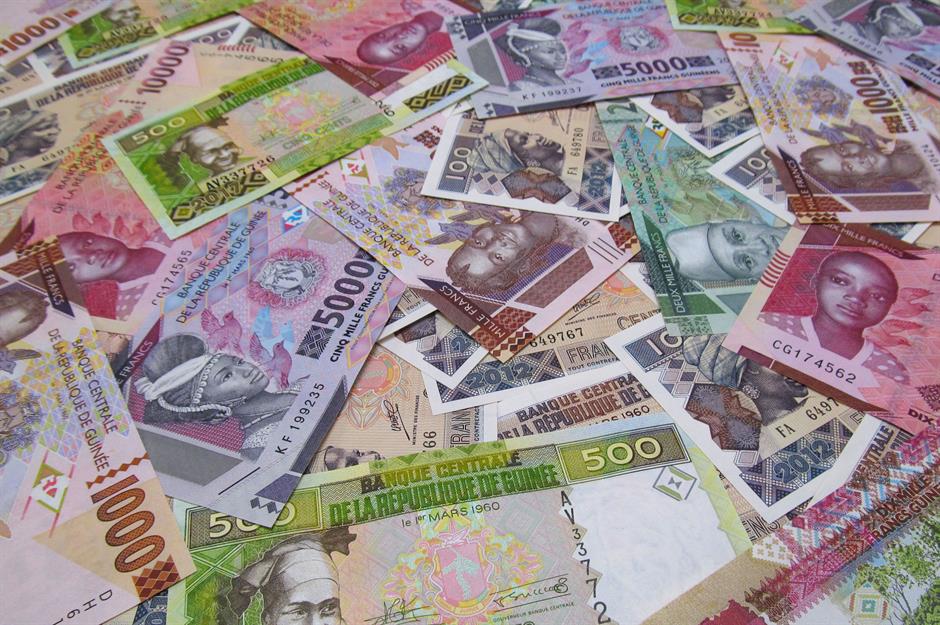
Image Source:lovemoney.com
The Guinean Franc (GNF) is one of the least valuable currencies in the world. Political instability, inflation, and economic challenges have weakened the currency over several decades.
The major reasons behind the weak currency include:
1 USD≈8,600 GNF
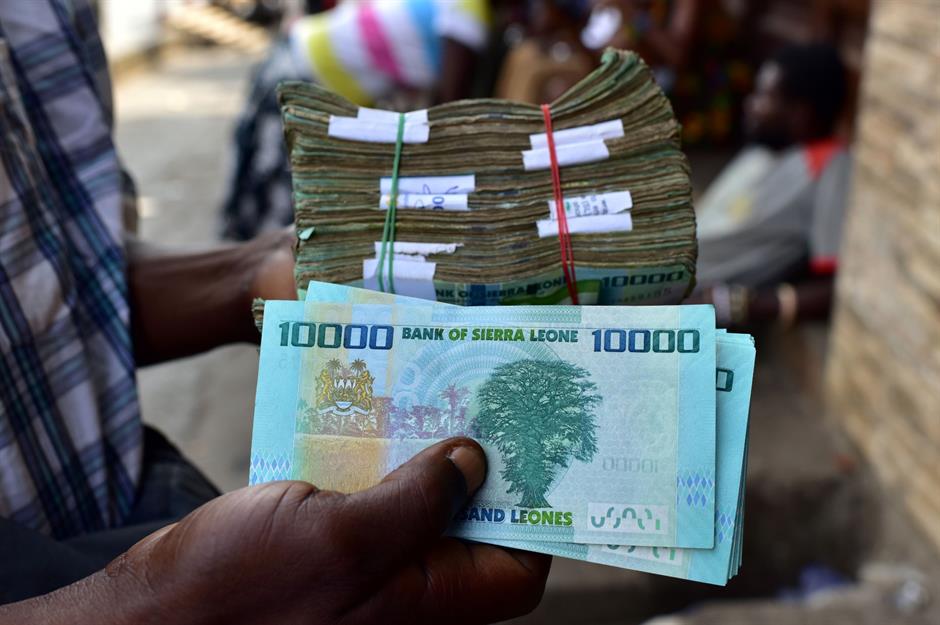
Image Source:lovemoney
The Sierra Leonean Leone (SLL) remains one of the weakest currencies globally due to inflation, economic instability, and long-term recovery challenges following health and economic crises.
Several factors contribute to the weak value of the Leone:
1 USD≈20,000 SLL

Image Source:blog.emitly.comThe Paraguayan Guarani (PYG) has experienced long-term inflation and economic pressures, making it one of the weakest currencies in the world.
The currency has been impacted by:
1 USD≈7,500 PYG
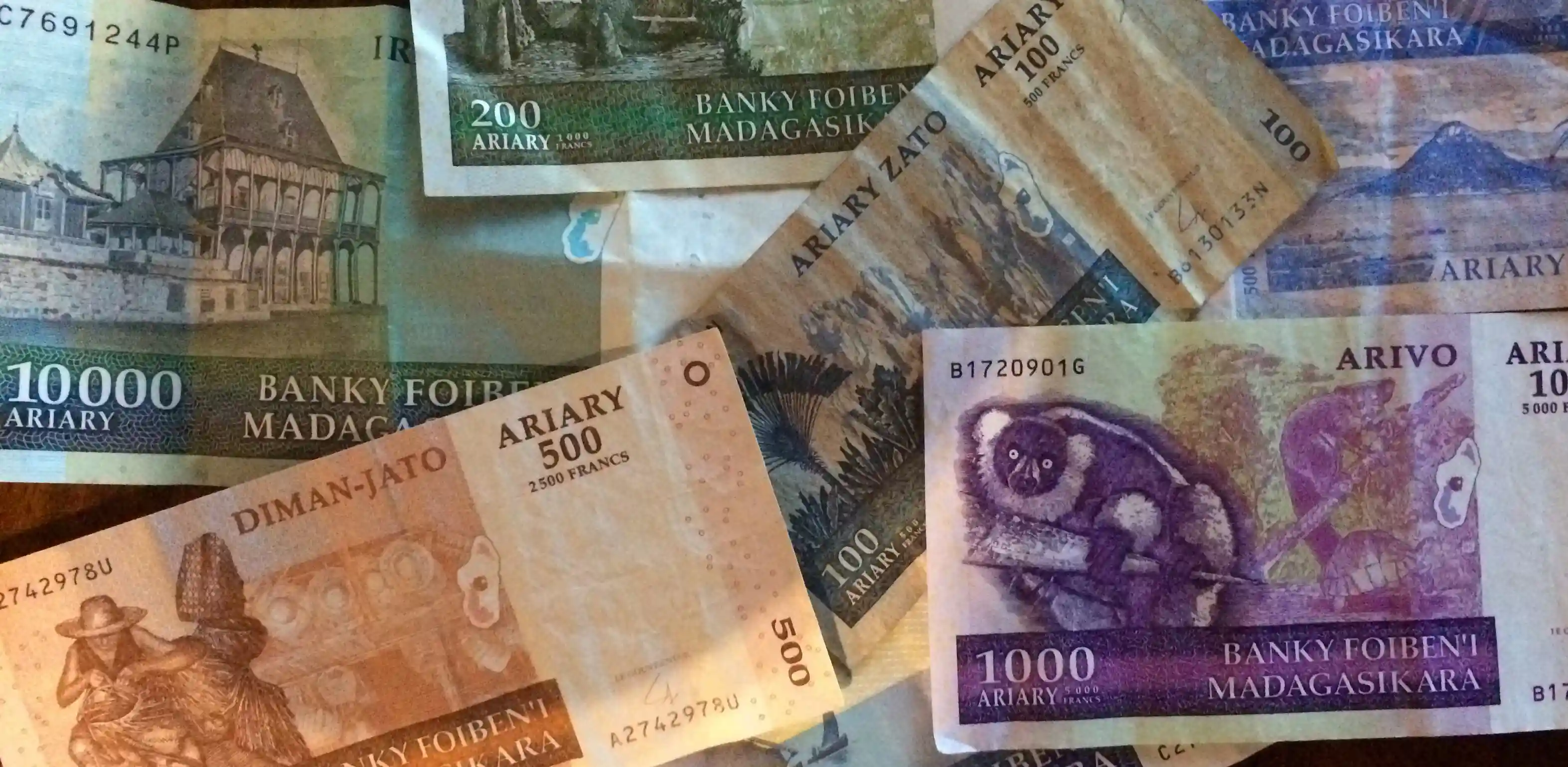
Image Source:madamagazine.com
The Malagasy Ariary (MGA) is one of the world’s weakest currencies due to political instability, inflation, and economic challenges that have persisted for years.
The main reasons include:
1 USD≈4,500 MGA
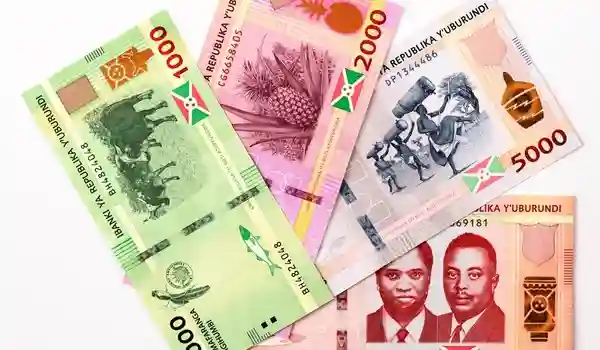
The Burundian franc is another world's weakest currency in the world because of the combination of chronic inflation, limited exports, and long-term political instability.
The main reasons include:
Exchange Rate
1 USD ≈ 2,900 BIF
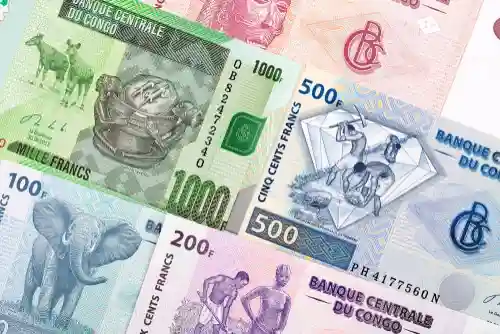
The Congolese Franc (CDF) is one of the cheapest currency in the world because of a few factors, such as persistent inflation, political uncertainty, and infrastructure challenges. Despite the DRC's very big mineral wealth, economic instability negatively affects the strength of the currency.
Exchange Rate
1 USD ≈ 2,850 CDF
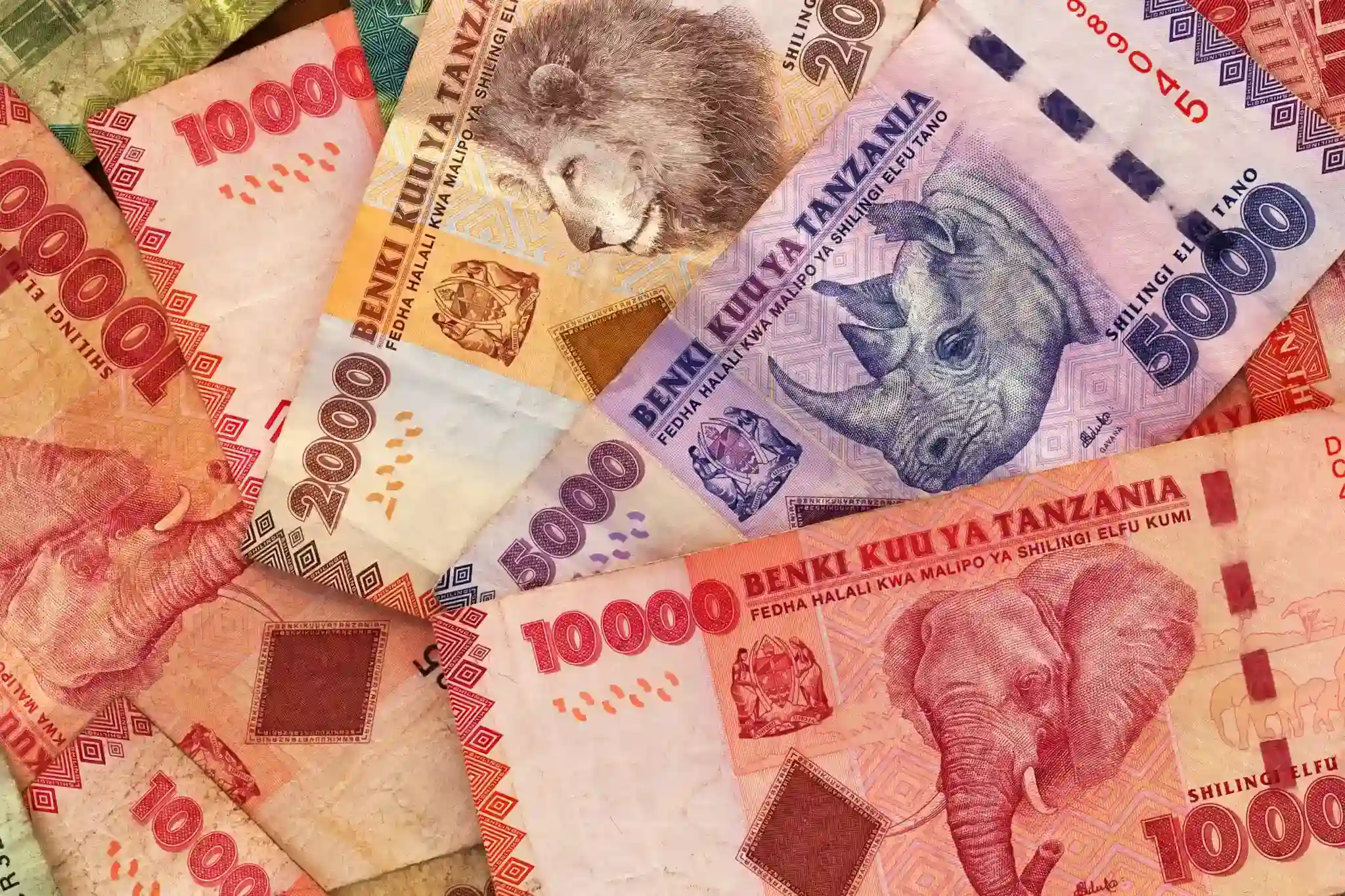
The Tanzanian Shilling currency is weak because of the combination of inflation, trade imbalances, and government controls on foreign exchange. A reliance on tourism and agriculture in Tanzania also makes the national currency sensitive to global shocks.
Exchange Rate
1 USD ≈ 2,700 TZS
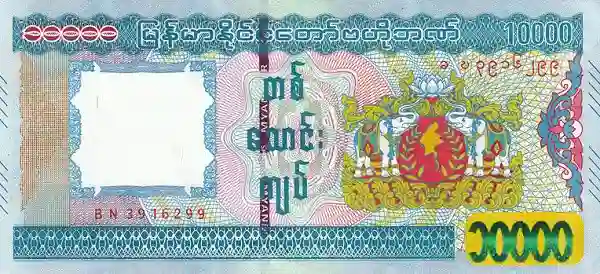
Recently, the value of the Myanmar Kyat has declined sharply because of the political instability, international sanctions, and reduced foreign investment. These factors have places a pressuer on the economy of the country, including its currency.
Exchange Rate
1 USD ≈ 2,100 MMK
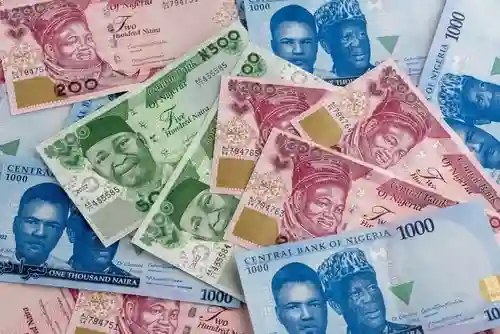
The Nigerian Naira is one of the world lowest currency because of the various factors, such as high inflation, foreign exchange shortages, and dependence on oil exports. The volatility of this currency is also because of the policy changes and currency reforms.
Exchange Rate
1 USD ≈ 1,550 NGN
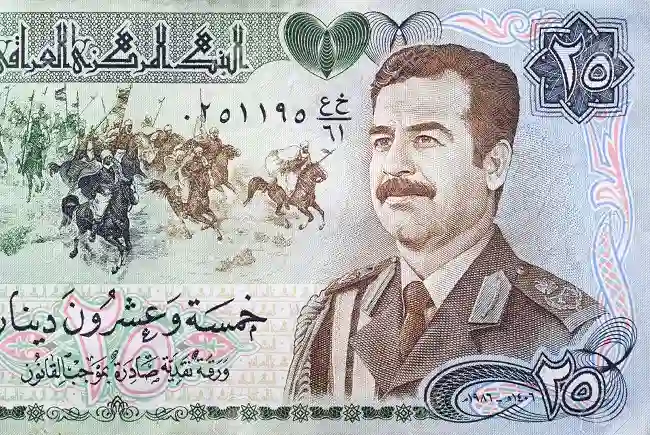
The Iraqi Dinar remains one of the lowest currency in the world despite Iraq being famous for its large oil reserves. Its recovery and strength have been weakened by many years of conflict, political instability, and a tightly managed exchange rate.
Exchange Rate
1 USD ≈ 1,310 IQD
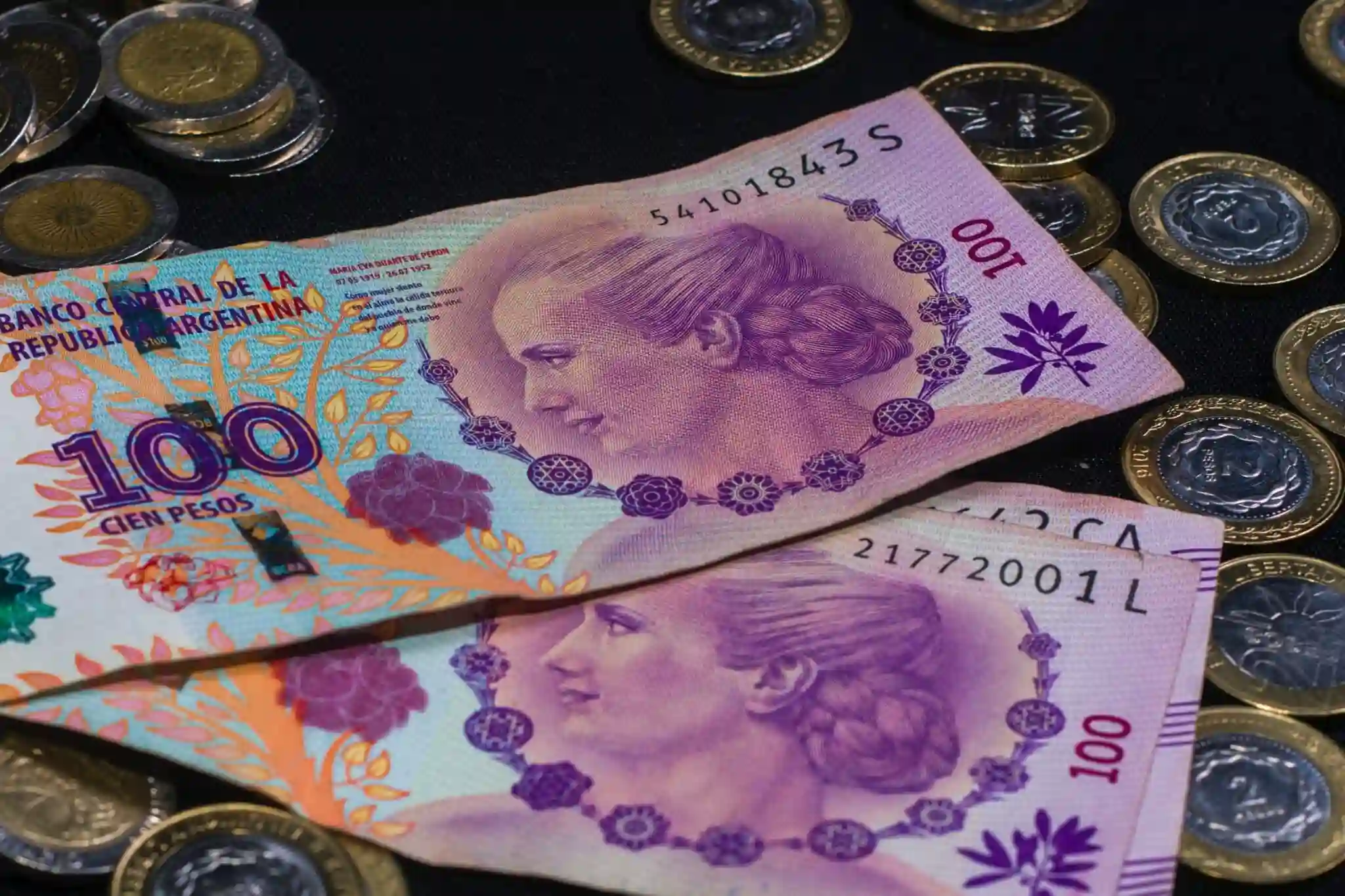
The Argentine peso is one of the weakest currency in the world, and it is known for its volatility. It is caused by chronic inflation, high public debt, and repeated currency controls. Because of these reasons, it remains one of the lowest currency in the world.
Exchange Rate
1 USD ≈ 1,200 ARS
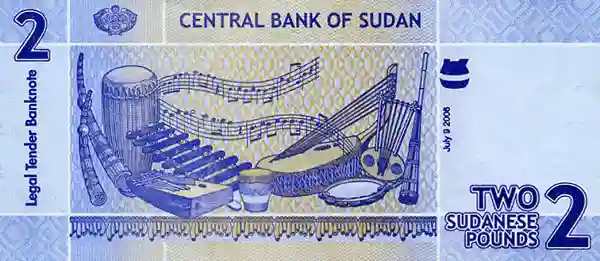
The Sudanese pound has suffered from extreme inflation, political upheaval, and ongoing conflict over the years. Because of these challenges, the country has weakened confidence in the currency.
Exchange Rate
1 USD ≈ 600 SDG
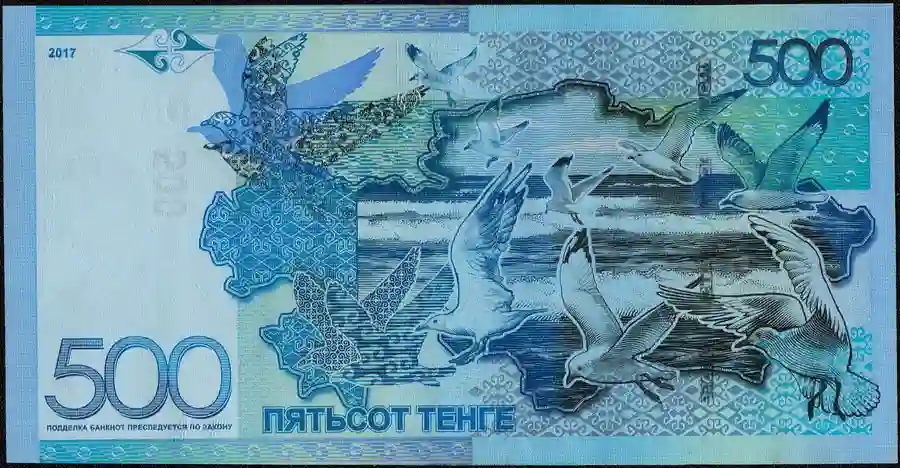
The Kazakhstani tenge (KZT) is considered one of the weakest currencies in this list because of its sensitivity to oil prices and regional economic pressures. Inflation is also one of the contributing factors, along with the currency's sensitivity to external shocks.
Exchange Rate
1 USD ≈ 510 KZT
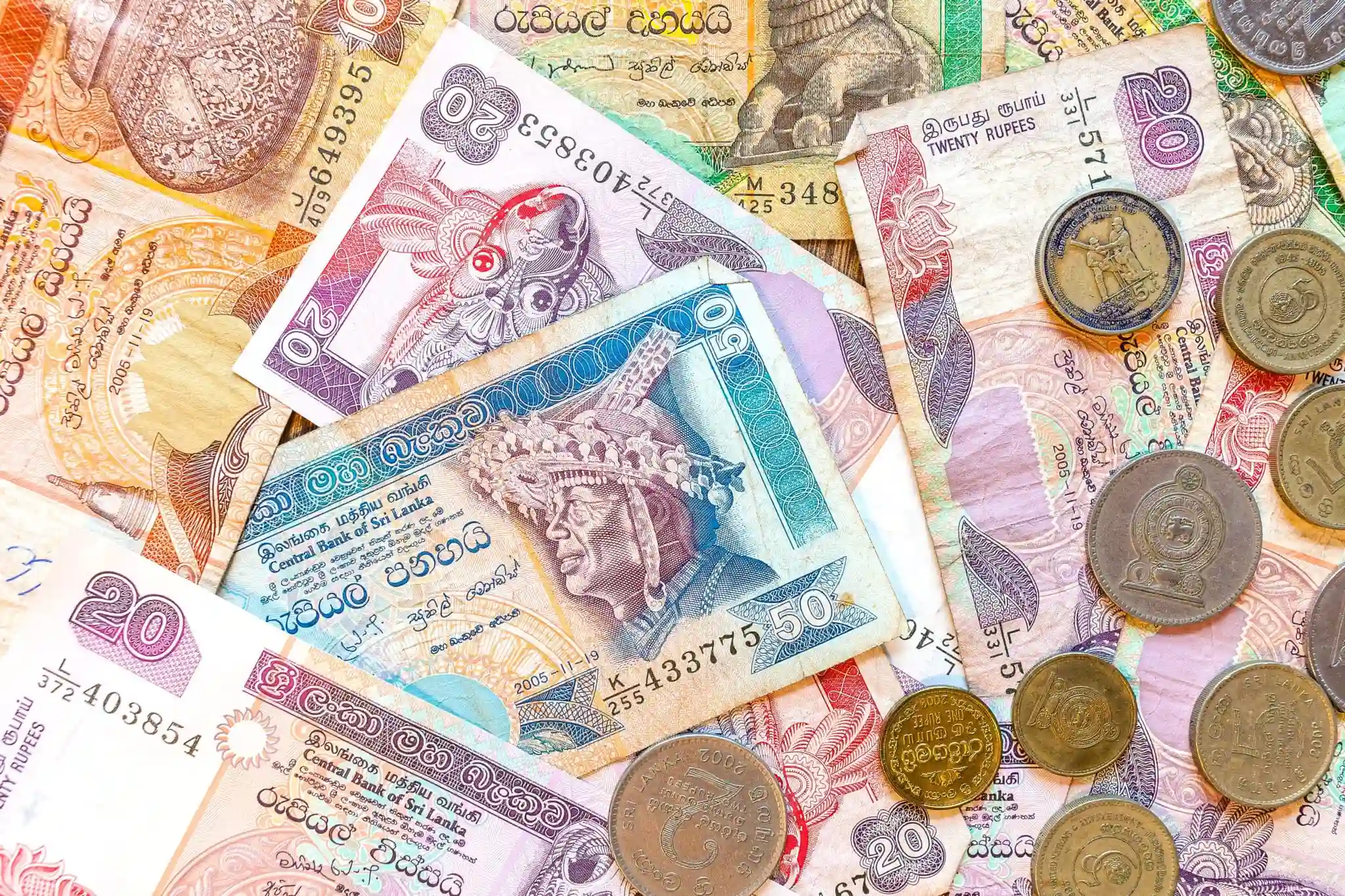
The last in the list is the Sri Lankan Rupee. It faced the economic crisis marked by debt default, inflation, and foreign reserve shortages. Although the conditions are improving, the currency remains weak.
Exchange Rate
1 USD ≈ 300 LKR
The value of a country’s currency often reflects its economic health, political stability, inflation levels, and foreign exchange reserves. While some currencies remain weak due to temporary economic challenges, others struggle because of long-term structural issues.
Understanding the weakest currencies in the world can help travelers, investors, students, and businesses better understand global economies and international exchange rates.
Before traveling abroad, always check the latest exchange rates and financial conditions to plan your expenses more effectively.
The worst exchange rate historically occurred in post-WW1 Germany. At the end of 1923, due to extreme hyperinflation, 4.2 trillion Deutsche Mark (DEM) exchanged for 1 US dollar (USD).
The Lebanese pound (LBP) is the least traded currency in the world as it is the least valuable and weakest currency in the world.
The foreign currency is priced in two ways. The first is using a floating rate, which is calculated by the open market through global demand and supply. If the currency is in demand in the world, its value usually increases. The second method of pricing is a fixed rate, also called a pegged rate. The government determined it through its central bank and is set against another major global currency, such as the EUR or USD.
Over the last 5 years, including the following one, the worst performing currency pairs are as follows (mention in currency symbols) NZD/ CHF, AUD/ CHF, EUR/ CHF, GBP/ CHF, CAD/ CHF, USD/ CHF
One of the simplest ways to know which currency is weaker is to use the exchange rate and compare one currency to another. A lower exchange rate demonstrates that a currency is weaker than the currency of a compared country. In addition, you can also use the currency converter tool of Visament to compare the exchange rates of countries.
To know where GBP is worth the least, generally look at exchange rates against the currencies of other countries. However, know that currency exchange rates constantly fluctuate based on interest rates, economic conditions, and geopolitical events.
The most stable currency in the world is the Swiss franc (CHF). The stability of the currency demonstrates the strong economy of Switzerland, low debt levels, and good financial policies, making it a safe-haven currency for investors.
The market of currency functions daily. Therefore, the currency ranking changes constantly. The first reason why this happens is because of demand and supply factors. Whenever a demand for a particular currency increases over its supply, the ranking of that specific currency rises, resulting in changes in the ranking.
Vipul Jain is the Co-Founder of Visament, a trusted platform dedicated to simplifying Indian immigration, consular, and NRI services for applicants across the globe. With extensive expertise in OCI cards, Indian passport services, visa assistance, apostille and document legalization,... See Full Bio

Talk to our documentation experts for free guidance on your application.
Top NRI Investment Options Available in India: Best Plans for 2026
NRI Bank Account: Types, Benefits, Eligibility & How to Choose
Difference Between an NRE and NRO Account: Tax & Eligibility
Understanding FCNR Account: Features, Eligibility & Benefits
Non-Resident Ordinary (NRO) Bank Account: What It Is and How It Works



When you visit a website, it may store data about you using cookies and similar technologies. Cookies can be important for the basic operations of the website and for other purposes. You get the option of deactivating certain types of cookies, even so, doing that may affect your experience on the website.
It is required to permit the basic functionality of the website. You may not disable necessary cookies.
Used to provide advertising that matches you and your interests. May also be used to restrict the number of times you see an advertisement and estimate the effectiveness of an advertising campaign. The advertising networks place them after obtaining the operator's permission.
Permits the website to recognize the choices you make (like your username, language, or the region you are in). Also provides more personalized and enhanced features.
Aid the website operator to determine how the website performs, how visitors interact with the site, and whether there are any technical issues.