If you have acquired citizenship of another country and still hold your Indian passport, you must follow the Indian passport surrender requirements. India does not recognise dual citizenship, and voluntarily acquiring foreign citizenship has consequences for your Indian citizenship and passport.
The process generally involves submitting your Indian passport and proof of foreign nationality through the appropriate Passport Seva channel and obtaining a Surrender Certificate. This guide explains the difference between passport surrender and renunciation of citizenship, how to apply in India or overseas, which documents may be required, and what to know about fees and special situations.
Key Takeaways
- Indian citizens who voluntarily acquire foreign citizenship must not continue using an Indian passport.
- Passport surrender and renunciation of Indian citizenship are related but legally distinct matters.
- Applicants in India can use the Passport Seva process; applicants abroad must follow the relevant Indian Mission or Post's instructions.
- The original Indian passport and proof of foreign nationality are core documents for the India-based surrender service.
- An expired Indian passport may still be eligible for surrender, subject to Passport Seva's conditions.
- Keep the Surrender Certificate safely because it may be needed for future consular services, including an OCI application.
What is an Indian Passport Surrender Certificate?
A Surrender Certificate is an official document issued by an Indian Passport Office after an applicant submits their Indian passport surrender following the acquisition of foreign nationality. The passport is cancelled, and the certificate provides documentary evidence of the surrender.
The certificate is commonly needed when a former Indian citizen applies for an OCI card or certain Indian visa and consular services. For example, the Ministry of External Affairs' OCI guidance asks applicants who surrendered their Indian passports in or after 2010 to provide the cancelled or surrendered passport along with the Surrender Certificate.
It is important to understand that the certificate records the passport surrender. It is not itself the legal act that terminates Indian citizenship. That distinction matters when checking which citizenship procedure applies to your circumstances.
Who Needs to Surrender an Indian Passport?
An Indian citizen who voluntarily acquires citizenship of another country must not continue to hold or use an Indian passport as though they remain entitled to travel on it. Under Section 9 of the Citizenship Act, 1955, an Indian citizen who voluntarily acquires another country's citizenship by naturalisation, registration or otherwise ceases to be an Indian citizen upon that acquisition, subject to the statutory provisions.
This generally applies to people who become citizens of countries such as the United States, Canada, the United Kingdom or Australia. Merely moving abroad, holding permanent residence, or living as an NRI does not by itself mean that a person has acquired foreign citizenship or must surrender an Indian passport.
If you have acquired foreign citizenship, do not apply to renew or reissue your Indian passport or use it for travel. Contact the relevant Indian Passport Office or Mission/Post to complete the surrender process.
How to Surrender an Indian Passport in India?
If you are in India, you can apply for a Surrender Certificate through the official Passport Seva Portal. The published procedure requires an online application followed by a visit to the Passport Office with the required documents.
- Register or log in: Visit the Passport Seva Portal and sign in using your account.
- Choose the surrender service: Select the Surrender Certificate service for applicants who have acquired foreign nationality.
- Complete the application: Enter your personal details and information about your Indian passport and foreign citizenship. Check names and dates carefully against your documents.
- Submit the form: Submit the application and retain the acknowledgement or reference details generated by the portal.
- Pay the applicable fee and arrange the visit: Follow the portal's instructions for payment and appointment, where applicable.
- Visit the Passport Office: Carry your original Indian passport and proof of foreign nationality, along with the application printout and any other documents requested.
- Receive the certificate: After the Passport Office processes the application, the passport is cancelled, and the Surrender Certificate is issued.
The official portal explains that applicants must visit the Passport Office after applying online. Do not assume that submitting the online form alone completes the surrender.
Get Expert Help for Your Indian Passport Surrender!
Have questions? Our experts guide you through every step of the Indian e-Visa Application – no confusion, no delays.
Consult an Expert Today How to Surrender an Indian Passport From Abroad?
If you live outside India, apply through the process specified by the Indian Embassy, High Commission, or Consulate that has jurisdiction over your place of residence.
In many jurisdictions, applicants begin through the Passport Seva Portal, then submit the printed application and supporting documents through the authorised service provider or submission channel designated by the Indian Mission.
The exact procedure varies. For example, the Consulate General of India in Toronto directs applicants to complete the online form and submit the signed printout, original Indian passport, and supporting documents through BLS. Other missions may have different submission arrangements.
Before applying, check the relevant Mission/Post website for:
- The correct online application portal.
- Whether an appointment is required.
- The authorised application centre or postal submission option.
- Local document, photograph and payment requirements.
- The current fee, service charges and expected processing guidance.
Do not rely on a fee or processing estimate published for another country or consular jurisdiction.
Documents Required for Indian Passport Surrender
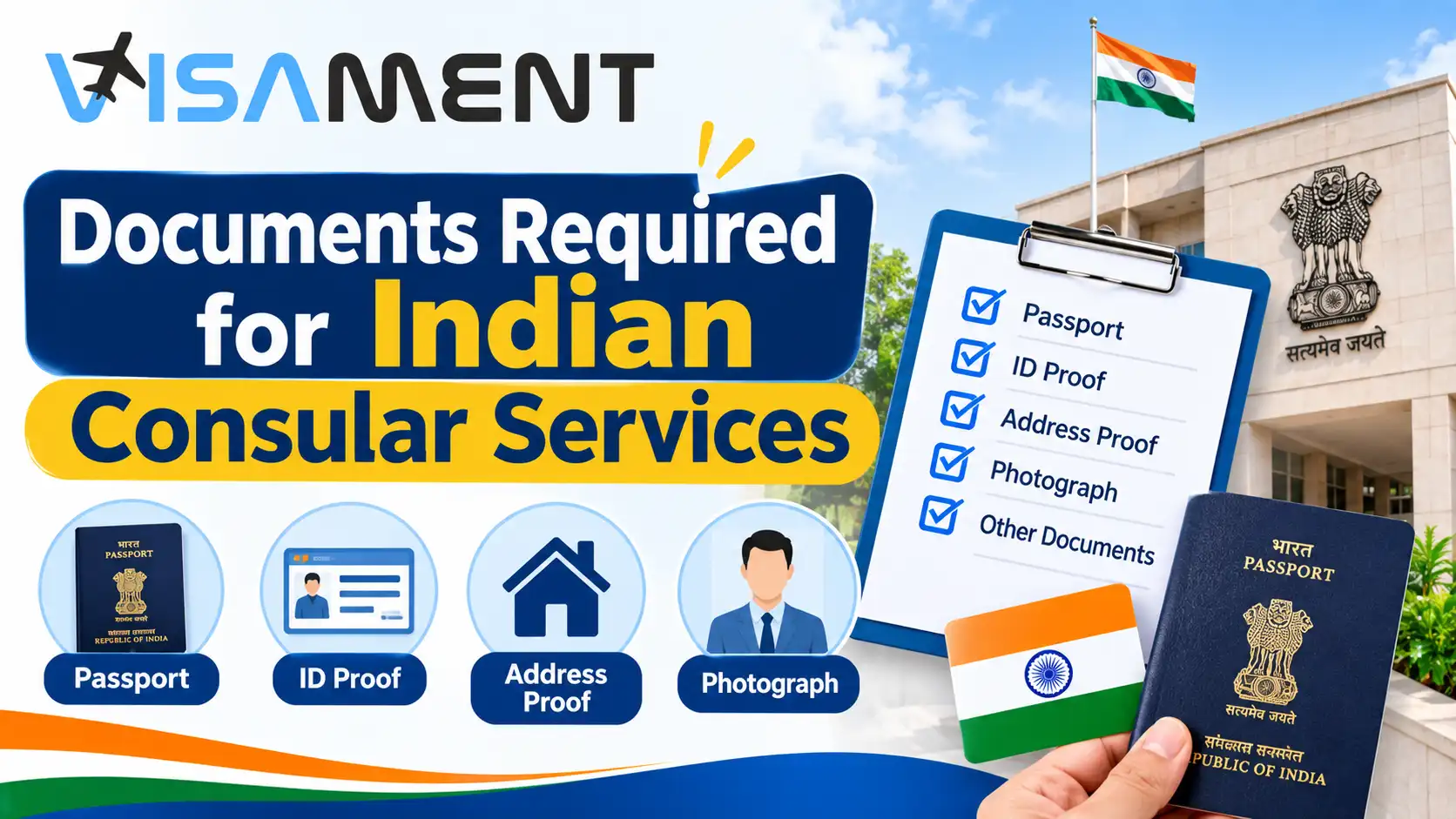
For an application made in India, Passport Seva identifies two core documents: the original Indian passport being surrendered and proof of foreign nationality.
Overseas Indian Missions may request additional documents. The following table gives a general preparation guide; the exact checklist for your jurisdiction takes priority.
|
Document
|
Why it may be required
|
|
Original Indian passport
|
The last-held passport to be surrendered
|
|
Foreign citizenship or naturalisation certificate
|
Evidence of acquisition of foreign nationality
|
|
Foreign passport
|
Evidence of current nationality; commonly requested by overseas missions
|
|
Printed application form
|
Application record for submission
|
|
Passport-size photograph
|
Required by some overseas missions or application centres
|
|
Proof of overseas address or status
|
May be requested by the relevant Mission/Post
|
|
Self-attested copies
|
Copies of the passport and supporting documents, as specified locally
|
For example, the Consulate General of India in Toronto lists the application form, original Indian passport, foreign citizenship certificate, foreign passport and photograph among its requirements. This is a country-specific example, not a universal checklist.
Check the document instructions before sending your original passport by post. Some centres require the original passport, while the handling and return arrangements depend on the local submission process.
Indian Passport Surrender Fees and Processing Time
For applications made in India, the Passport Seva website lists the Surrender Certificate fee as ₹750, effective from 1 July 2026. It also states that police verification is not required for this service in India. Confirm the applicable fee on the official portal before submitting your application, as government charges can change.
For applicants overseas, the fee may include a consular charge and an additional service-provider fee. The amount depends on the country, Indian Mission/Post and the applicant's circumstances.
There is no single processing time that applies to every overseas application. Processing depends on the completeness of the documents, the local submission arrangements and any additional checks. Check the latest estimate published by your relevant Indian Mission or authorised application centre rather than relying on a general two- or three-week promise.
What Happens After You Submit Your Indian Passport?
Once the Passport Office or relevant Indian Mission completes the surrender process, the Indian passport is cancelled, and a Surrender Certificate is issued. Depending on the local procedure, the cancelled passport may be returned to you along with the certificate.
Keep both documents safely. The Surrender Certificate may be required when applying for an OCI card, an Indian visa, or other consular services. The MEA's OCI guidance specifically refers to the surrendered or cancelled Indian passport and Surrender Certificate for applicants who surrendered their passports in or after 2010.
What Are the Consequences of Not Surrendering an Indian Passport?
After voluntarily acquiring foreign citizenship, a former Indian citizen should not use an Indian passport for travel, apply for its renewal or reissue, or present it as a current travel document. Indian Missions warn that retaining or using an Indian passport after acquiring foreign nationality can result in penalties and legal complications.
The consequences depend on the applicable rules and the facts of the case, including when foreign citizenship was acquired and whether the passport was used after that date. Therefore, avoid relying on a general penalty figure found online. Check the current instructions of the relevant Indian authority before assuming what amount or consequence applies.
What are the Penalties for Not Surrendering an Indian Passport?
If you failed to provide your Indian passport to the authorities, it can lead to many penalties for not surrendering Indian Passport:
- You can face penalties up to 10,000 INR.
- Not submitting an Indian passport can lead to delays in OCI processing and visa services.
- You can face legal complications if your passport is misused.
How to Check the Surrender Status of an Indian Passport?
Once you have submitted your Indian passport surrender application, you will get a notification about the status or any changes in your application via email or SMS.
To check the status of your Indian passport surrender application, you need to follow these steps.
- Go to the official Passport Seva website.
- Navigate to the 'Track Application Status'.
- Enter your 15-digit 'Application Reference number ' and Date of birth.
- Now you can check the latest updates about your Indian passport surrender.
Important Situations to Consider
Can You Surrender an Expired Indian Passport?
Yes. Passport Seva allows an expired passport to be submitted for surrender, provided it is the latest passport held by the applicant. However, surrender is not allowed under this service for passports that are impounded, revoked, suspended, or cancelled against reissue.
What If Your Indian Passport Is Lost?
If you acquired foreign citizenship but cannot submit your last Indian passport because it is lost, do not apply as though you still have the original document. Contact the Indian Mission or Passport Office responsible for your application and ask which alternative evidence, declarations, or reports are required.
The procedure can vary by jurisdiction. For example, the Consulate General of India in Toronto provides a specific process for applicants whose last-held Indian passport has been lost and may issue a Renunciation Certificate in place of a Surrender Certificate in the circumstances it describes. Do not assume that this procedure applies at every Indian Mission.
What If You Acquired Foreign Citizenship as a Minor?
If foreign citizenship was acquired while the person was a minor, the relevant citizenship history and the way citizenship was acquired can affect the documentation required. A parent or legal guardian should contact the relevant Passport Office or Indian Mission before submitting an application. Do not assume that the adult applicant procedure or declarations will automatically apply.
Conclusion
Indian passport surrender is an important step for people who voluntarily acquire foreign citizenship. The process provides official evidence that the Indian passport has been surrendered and cancelled, while the legal consequences for Indian citizenship arise under the applicable provisions of the Citizenship Act.
Whether you apply in India or overseas, check the current Passport Seva or Indian Mission requirements, prepare the correct documents, and retain your Surrender Certificate for future use. If you need help reviewing your documents or understanding the application process, Visament can assist with passport surrender application guidance and document review.