Related Blogs

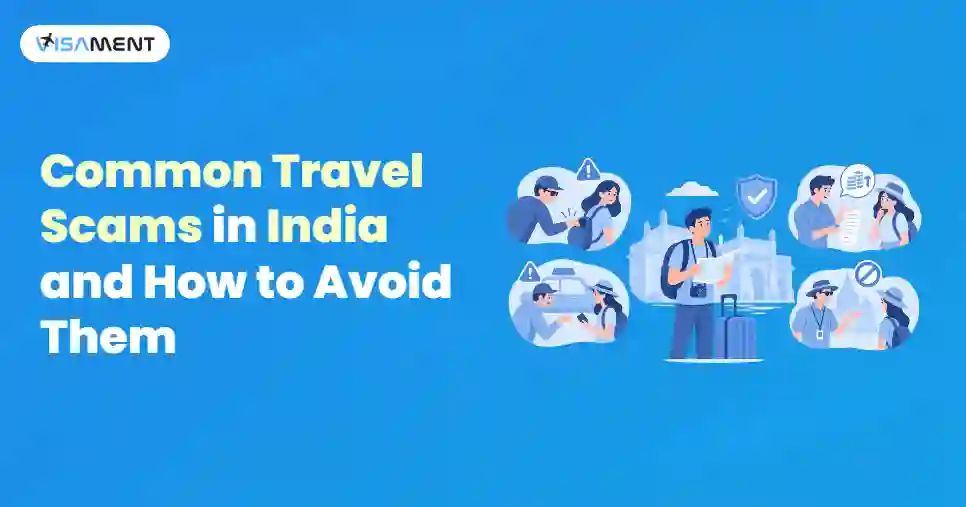
India is a popular destination for its cultural, historical, mountainous, and wildlife attractions, as well as its vacation spots. You'll find many tourists and travelers in India year-round, enjoying themselves with family, friends, as couples, or as solo travelers. But there is one thing you need to be aware of: travel scams in India.
Whether you are on your way or planning a trip to India, stay aware and prepare for some of the top travel scams common among new travelers. Generally, you may face scams, but knowing common travel scams in India will help you get an idea of how to avoid them.
In this blog, we will cover common travel scams in India to help tourists and travelers have a smooth, hassle-free journey, along with ways to avoid travel fraud.
Remember this quick checklist to help you avoid common India tourist scams during your trip.
Now, we will look at some common tourist scams in India that many tourists and travelers face. We will cover each scam and provide ways to avoid it.
One of the major travel scams in India is taxi or airport transfer scams. Many people will approach you and try to convince you to take a cheap taxi or airport transfer to your hotel. It is a common scam that many foreign tourists face. Do not take such unofficial or strange rides from any person outside the airport, railway station, or any other place. They may also charge high fares for short distances.
How to avoid this India tourist scam
Here are some ways to avoid falling for India travel scams.
Another scam in India is that many drivers tell travelers a tourist attraction is closed. It may be a temple, monument, palace, or any fort that you are interested in visiting. So don't fall into these traps. Tell the driver to take you back to the hotel, or take another taxi or transport service. These drivers may take you somewhere else, where you may have to pay higher entry fees.
Steps to avoid these scams targeting tourists in India are:
While in India, many fake tour guides will approach you, offering cheaper travel and budget-friendly accommodation. You don't have to fall into such traps, as they are not trustworthy or secure. Before finalizing your India tour guide, verify the price and credentials through official sources. Also, check whether your travel concierge service is legal.
Ways to avoid these foreign traveler scams
 Also Want to Know About Indian Visa vs India Travel Service: What’s the Difference Check Now!
Many travelers face hotel booking scams or fake hotel scams. This can result in paying a high amount for travel services and also lead to unknown, unreliable hotels. Many foreign travelers also fall into these traps by booking hotels online, only to find the reservation invalid.
Here are some tips to avoid falling for this scam.
Most travel frauds in India involve offering foreign travelers low currency exchange rates. Some currency exchangers even give travelers the wrong amount. This is a common travel scam in India, so stay aware.
Here are common ways to avoid this scam.
While visiting India, stay aware and do not share your ATM or credit card information with anyone. Also, avoid accepting unusual card payments at suspicious locations.
See some ways to avoid ATM or card scams in India.
Do not accept any SIM card offer from an unknown person while you are in India. This may lead to legal complications.
Ways to avoid SIM card scams in India
Some shopkeepers ask for more money for gemstones than they are worth. Also, you may be pressured by the shopkeepers to buy expensive jewelry, gemstones, handicrafts, or other products. Many sellers also tell foreign tourists and travelers that it is the only piece available and that you will not find it anywhere, pressuring people into buying and getting scammed.
Follow these steps to avoid gemstone scams in India.
During your trip to India, anyone offering gifts or blessings, or asking for charity and donations, may later ask you to pay. This is a common tourist scam in India, often used at popular destinations. Stay cautious if a stranger approaches you for charity or donations.
To avoid this scam, follow the points below.
First-time tourists can get unsolicited help at the railway station, which you need to avoid. This can also lead you to pay a high price for luggage handling or guidance. Many tourists also encounter people claiming they can arrange tickets or provide special access for an extra fee. Don't fall for cheap or quick tickets; this is a common railway station scam in India.
Ways to avoid it:
Trusting strangers in a new place can sometimes be dangerous. Do not help anyone who claims to have lost tickets, lost money, or needs quick financial assistance.
How to avoid getting foreign traveler scams.
Another scam most foreign travelers fall for involves connecting to public Wi-Fi. It can leak your personal information and access your mobile data. This can raise security concerns among foreign travelers visiting India.
Ways to avoid this are:
Many international travelers use Indian visa services, but multiple fake websites offer visa services at high prices. They may also ask you to send more documents for no valid reason. So stay aware of these tourist scams in India.
Here are ways to avoid these scams in India.
Also Want to Know About India Private Tour vs Group Tour Check Now!Below are some common travel scams you should watch out for.
Don't take services or buy products from anyone who pushes you to hurry or seems suspicious.
By following this simple process, you can lower your chances of falling for travel scams in India.
See what you need to do next if you think that you have been scammed in India.
Whenever you travel in India, stay aware of common travel scams. Many travelers have faced scams, but by reading the tips and safety norms above, you can avoid getting scammed in India. Common scams you can avoid include being alert and trusting your intuition.
Whenever you encounter a scam, stay aware and don't fall for claims or cheaper discounts offered by strangers. With a proper plan, you can have a great, memorable journey to different destinations around the world.
Common travel scams in India include fake taxis, tourist guides, travel services, shopping scams, taxi overcharging, gemstone scams, fake visa or documentation scams, currency exchange scams, etc.
You can avoid these scams by researching your destination, using authorized services for transportation, travel guides, and hotel bookings, checking prices and destination attractions before you go, and avoiding pressured decisions.
Yes, India is a safe and secure destination for foreign travelers and tourists who come with a well-structured plan. Many millions of international tourists visit India for vacation and family trips. Keep your personal documents safe and protect your belongings in India.
Whenever you are going for currency exchange in India, you need to use an authorized currency exchange service provider or exchange your money at an Indian bank. Before exchanging money, check the live price and compare rates before leaving the currency exchange service.
Yes, it is safe to use your ATM in India for various transactions. However, keep your ATM PIN secure and do not share it with anyone. Also, avoid using it on suspicious machines.
Yes, you should accept help from strangers, but stay aware and trust your instincts when accepting it. If anyone asks for a return favor or money, refrain from accepting help.
If you are in India and accidentally lose your passport, first go to your nearest police station and file a report about the lost passport. Then go to the relevant country's embassy or consulate, report the lost passport, and follow their instructions.
You can avoid taxi scams in India by using a reputable taxi or authorized taxi service. Before starting the ride, verify the driver's details and vehicle information.
Vipul Jain is the Co-Founder of Visament, a trusted platform dedicated to simplifying Indian immigration, consular, and NRI services for applicants across the globe. With extensive expertise in OCI cards, Indian passport services, visa assistance, apostille and document legalization,... See Full Bio

Talk to our documentation experts for free guidance on your application.
Top Cultural Destinations in India: You Must Visit
Why Every NRI Living Abroad Needs a Concierge Service?
Best Heritage Tours in India: Rich History and Cultural Legacy
What is an India Travel Concierge Service? A Guide for International Travelers
India Travel Tips for Foreigners 2026: Complete Guide


When you visit a website, it may store data about you using cookies and similar technologies. Cookies can be important for the basic operations of the website and for other purposes. You get the option of deactivating certain types of cookies, even so, doing that may affect your experience on the website.
It is required to permit the basic functionality of the website. You may not disable necessary cookies.
Used to provide advertising that matches you and your interests. May also be used to restrict the number of times you see an advertisement and estimate the effectiveness of an advertising campaign. The advertising networks place them after obtaining the operator's permission.
Permits the website to recognize the choices you make (like your username, language, or the region you are in). Also provides more personalized and enhanced features.
Aid the website operator to determine how the website performs, how visitors interact with the site, and whether there are any technical issues.